Most Teams Leave an Event Inspired…
Then Monday Happens.
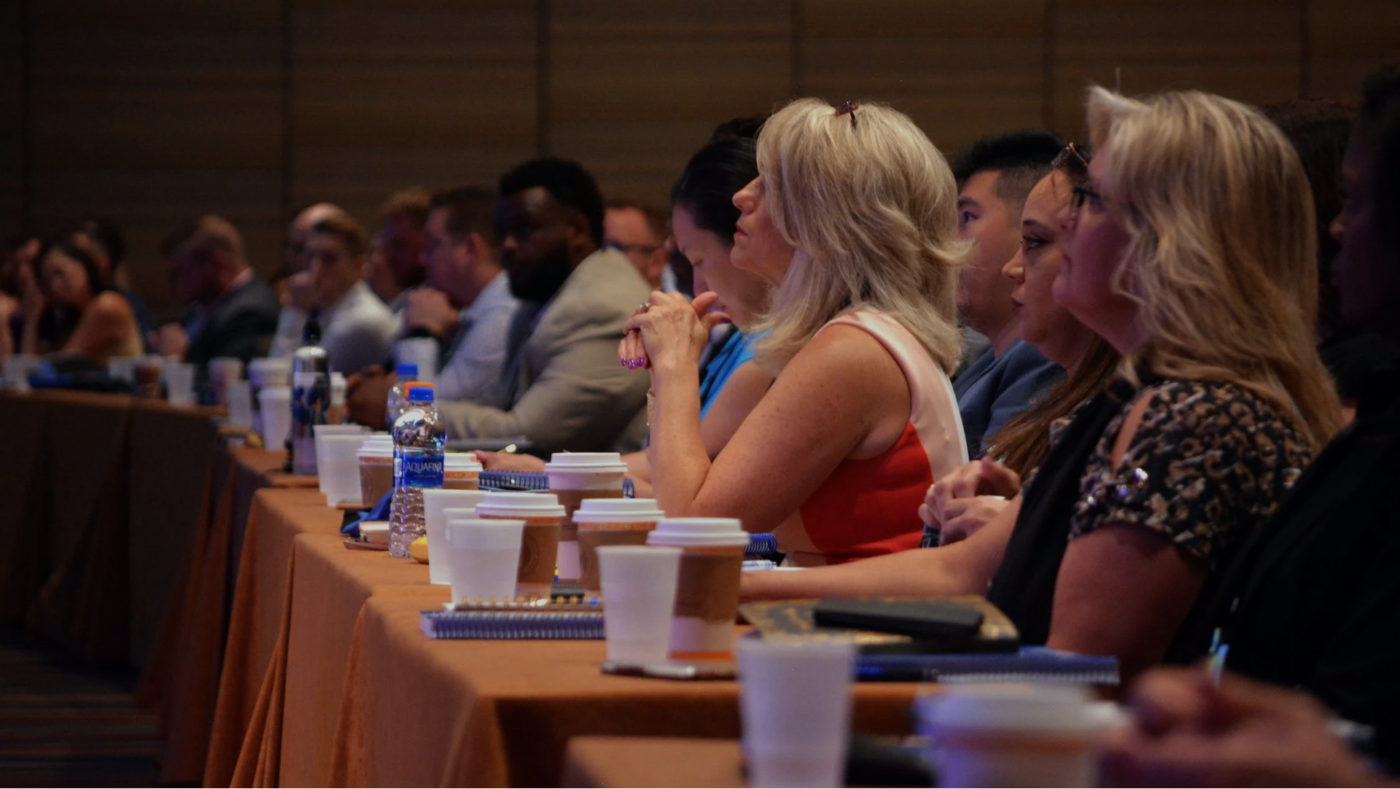
Your team just had a powerful experience together. There was energy in the room.
People were laughing, connecting, and talking about working differently. The conversations were real. The insights landed.
And then they went back to their desks.
Within days, the urgent crowded out the important. Old habits reasserted themselves.
The language from the event faded. The intentions were genuine, but without a structured plan to act on them, the momentum quietly disappeared.
|
This is not a failure of your team.It is what happens when inspiration does not have a road to follow. |
.
The event was the spark. The work that follows determines whether that spark becomes a lasting flame or fades out entirely.
That is exactly what the GREAT Culture Buildout is designed to do. It gives your team a structured 6-week implementation path so the awareness from your catalyst experience gets translated into the daily behaviors that actually change culture.
The GREAT Culture Buildout and Sticky Culture Leadership Coaching
A Post-Event Implementation Program for Leaders Who Want the Change to Last
YOUR COMPLETE CULTURE GROWTH JOURNEY
Three Phases. One Clear Purpose.
.
You have already completed Phase 1. Here is what the full journey looks like
PHASE 1
A Team Culture Catalyst Event
Keynote or team building event that creates awareness, energy, and shared language
YOU ARE HERE
PHASE 2
GREAT Culture Buildout
6-week implementation program that installs two culture pillars into daily team behavior
$3,500
PHASE 3
Sticky Culture Leadership Coaching
90-days of coaching to expands the remaining GREAT pillars and deepen leadership development
$3,500
Most culture keynotes or team-building events fail because people return to the same environment, the same habits, and the same distractions…
Without reinforcement:
- Awareness fades
- Old behaviors return
- Conversations wither
- Accountability weakens
- Momentum disappears
.
A single event can inspire change. Repeated emphasis creates culture.
Some organizations stop at Phase 1.
The ones that see lasting culture change move through all three phases. Each phase builds directly on what came before it, so your team gets:
Better Communication
Reinforcement of shared language and team expectations.
Stronger Accountability
So you keep important conversations happening.
Greater Retention
You will create an environment people want to stay part of.
THE CRITICAL DECISION YOU WILL MAKE:
Every Successful Culture Buildout Needs One Owner
Culture initiatives fail most often not because the ideas were wrong. They fail because nobody owned the execution. When everyone is responsible, nobody is. The teams that see real behavior change after a catalyst event are the ones that designate one specific person to drive the implementation, track progress, and keep the work visible between coaching calls.
The Culture Architect does not need a new job title or a new job description.
They need a clear role, a structured plan, and the right resources to fulfill it. This is typically your HR leader, a senior department head, or an executive sponsor who cares deeply about how the team works together.
The GREAT Culture Buildout is built entirely around equipping your Culture Architect to succeed. Every resource, every coaching call, and every activity in the program is designed to support this person in translating shared awareness into shared behavior.
The Culture Architect Is…• A leader who cares about how the team works together • Someone with influence and access to the team • Willing to champion the process, not just observe it • Usually the HR leader, team lead, or executive sponsor |
The Culture Architect Is Not…• Required to have prior culture or coaching experience • Responsible for doing all the culture work alone • Expected to figure it out without guidance or support • Tasked with policing behavior or enforcing compliance |
WHAT CLIENTS SAY ABOUT WORKING WITH SEAN
The Words of Leaders Who Have Been Through This…
|
“Sean facilitated a program for my company’s annual kick-off event. His personal experience as a coach and perspective on what makes teams great was inspiring. Most of all, he invested time getting to know our business and understand our challenges prior to the event, in order to tailor his presentation for the audience.” Kelly Clark, Director of Marketing, MDI Group |
|
“Weeks after the event, our managers are still talking about it. You helped create a better understanding of why our teammates do what they do and communicate the way they do. That was awesome.” Renee Silvey, HR Manager, Atlanta Women’s Healthcare Specialists |
|
“Sean’s ability to listen to our needs and translate them into a program that was both simple and impactful made a significant difference for our team. With a thorough post-event debrief and actionable steps for reinforcement, I can see a clear path to take the learnings from our event and effectively integrate them into our daily work.” Michelle Lapino, VP of Operations, The Honey Pot |
|
“We are now three weeks post event and a large section of our team is still talking about Sean and the event. They want him back already. But it is not just him they talk about as they continue to discuss the details they learned and apply them every day.” Ray Mashburn, Executive Director, Waikato Enterprises |
PHASE 2 PROGRAM DETAILS
GREAT Culture Buildout
6-Week Culture Implementation Program | $3,500

The Buildout is a structured 6-week program that takes the energy and awareness from your catalyst experience and installs two specifically chosen GREAT Culture pillars into your team’s daily behavior.
Each pillar gets four weeks of focused attention, which is enough time for habits to form and enough accountability to make sure they stick.
Your Culture Architect receives everything they need to facilitate real change inside the organization, with Sean directly available for guidance and support throughout the implementation process.
The Buildout is a structured 60-day program that takes the energy and awareness from your catalyst experience and installs two specifically chosen GREAT Culture pillars into your team’s daily behavior. Each pillar gets four weeks of focused attention, which is enough time for habits to form and enough accountability to make sure they stick.
Your Culture Architect receives everything they need to facilitate real change inside the organization, with Sean directly available for guidance throughout the process.
|
WHEN |
WHAT HAPPENS |
|
Week 1 Kickoff Call |
Culture Architect Strategy Call with Sean (45 min) Held at the start of Week 1. Sean and the Culture Architect review the GREAT Culture Diagnostic completed at the event, select the two focus pillars based on where the team has the greatest gap and readiness for change, and set the week-by-week implementation plan. The Culture Architect receives the full Pillar One Culture Action Kit. |
|
Weeks 1 to 3 Pillar One |
Pillar One Implementation The Culture Architect works through the Pillar One kit: introducing the focus to the team, running the facilitated activity, tracking behavioral observations, and using the discussion guide to keep the work visible in meetings. Sean is available by email between calls for quick questions. |
|
End of Week 3 Coaching Call |
Pillar One Debrief + Pillar Two Transition (45 min) Sean and the Culture Architect debrief Pillar One progress: what shifted, what is still fragile, and what obstacles surfaced. The Pillar Two Culture Action Kit is delivered. The call ends with a clear plan for the second three-week sprint. |
|
Weeks 4 to 6 Pillar Two |
Pillar Two Implementation The Culture Architect now has three weeks of real experience applying the first framework. That context makes Pillar Two easier to implement with confidence. The same structured approach applies: team activity, discussion guide, manager observation sheet, and personal reflection. |
|
End of Week 6 Close-Out Call |
Culture Review and Close-Out Call with Sean (45 min) Sean and the Culture Architect review the Culture Scorecard and compare observable team behaviors to where things stood on day one. Specific wins are named and celebrated. Areas that are still fragile are identified. The call closes with a discussion of whether Phase 3 is the right next step for continued growth and sustainment. |
What Your Culture Architect Receives
Every resource needed to implement real culture change in 6 weeks
|
DELIVERABLE |
WHAT IT DOES FOR YOUR CULTURE ARCHITECT |
|
3 Calls with Sean |
45-minute calls at the start of Week 1, end of Week 3, and end of Week 6. Each call guides the implementation, troubleshoots obstacles, and keeps the Culture Architect on track. |
|
2 Culture Action Kits |
One complete kit per pillar. Each kit includes a short video introduction from Sean, a team discussion guide, one facilitated team activity with full instructions, a manager observation sheet for tracking behavioral changes, and a personal reflection tool for the Culture Architect. |
|
Culture Scorecard |
A simple before-and-after self-assessment used at kickoff and again at the Week 6 close-out call to measure visible behavior changes across the team over the 6-week program. |
|
Digital Resources |
All kits, guides, tools, and materials are delivered digitally and remain accessible throughout the program and beyond. Everything is organized and ready to use from day one. |
PHASE 3 PROGRAM DETAILS
Sticky Culture Leadership Coaching
90 Day 1:1 Personal Coaching Program | $3,500
Phase 3 is for Culture Architects and senior leaders who want to go deeper.
After 60 days of implementing culture change with their team, they now know where the friction is. They know which conversations are hard. They know which team members are resistant and which ones are leading the way.
The Sticky Culture Leadership Coaching program takes that real-world context and turns it into a focused 90-day personal development engagement. Six bi-monthly coaching calls with Sean, each built around the specific challenges this leader is navigating right now.
This is not a generic leadership program. It is a continuation of work already in progress.
|
DELIVERABLE |
WHAT IT DOES |
|
6 Coaching Calls with Sean |
45-minute sessions twice monthly. Each call follows Sean’s proven format: Focus, Clarity, Agreement, Obstacles, Next Steps |
|
Rapid Teamwork Masterclass Access |
Full access to Sean’s Culture Masterclass for the leader and their direct reports throughout the program |
|
Between-Call Resources |
Reflection prompts, leadership tools, and relevant articles tied to what surfaced in each session |
|
90-Day Culture Summary |
A written reflection and forward-looking action plan Sean prepares at close-out, documenting growth and next priorities |
Want More Info?
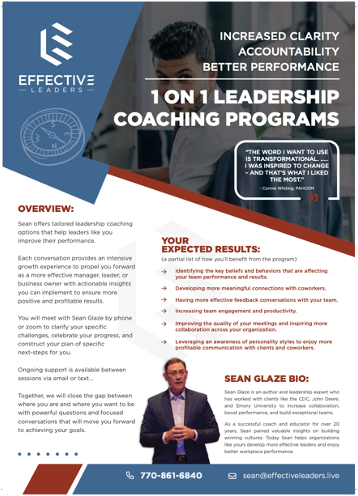
Sean’s “Sticky Culture” Leadership Coaching is a 1-on-1
program for accelerating your growth and improving your team’s performance.
Learn the tactics that will help you to
create and sustain an exceptional culture.
YOUR GREAT CULTURE INVESTMENT SUMMARY
Clear Pricing. Real Value.
PHASE 2
GREAT Culture Buildout
6-Week Implementation Program
$3,500
- 3 coaching calls with Sean
- 2 complete Culture Action Kits
- Culture Scorecard
- Recognition Challenge guide
- Access to Digital Resources
PHASE 3
Sticky Culture Leadership Coaching
90-Day Leadership Coaching Program
$3,500
- 6 coaching calls with Sean
- Rapid Teamwork Masterclass access
- Between-call resources and tools
- 90-day culture summary document
- Expansion to remaining GREAT pillars
The full three-phase culture journey represents a total investment of $7,000 beyond the original event fee.
or most organizations, that is lmuch ess than the cost of replacing a single disengaged team member.

Our Review Call Is Already Scheduled.
Come to that conversation ready to think about two things.
1 – Which two GREAT Culture pillars does your team need most right now?
Goals, Relationships, Expectations, Accountability, or Thanks.
We will confirm the right two together on the call.
2 – Who on your team is best positioned to serve as the Culture Architect?
Think about who has influence, access, and genuine care for how this team works together.
Your catalyst event started the transformation.
The GREAT Culture Buildout and Coaching ensures team behavioractually change.
Questions before our call? Reach out anytime:
Sean Glaze
770-861-6840