
Your culture is not what you say.
It’s not what you put on posters in your hallways.
it’s what your people choose to do when it’s inconvenient.
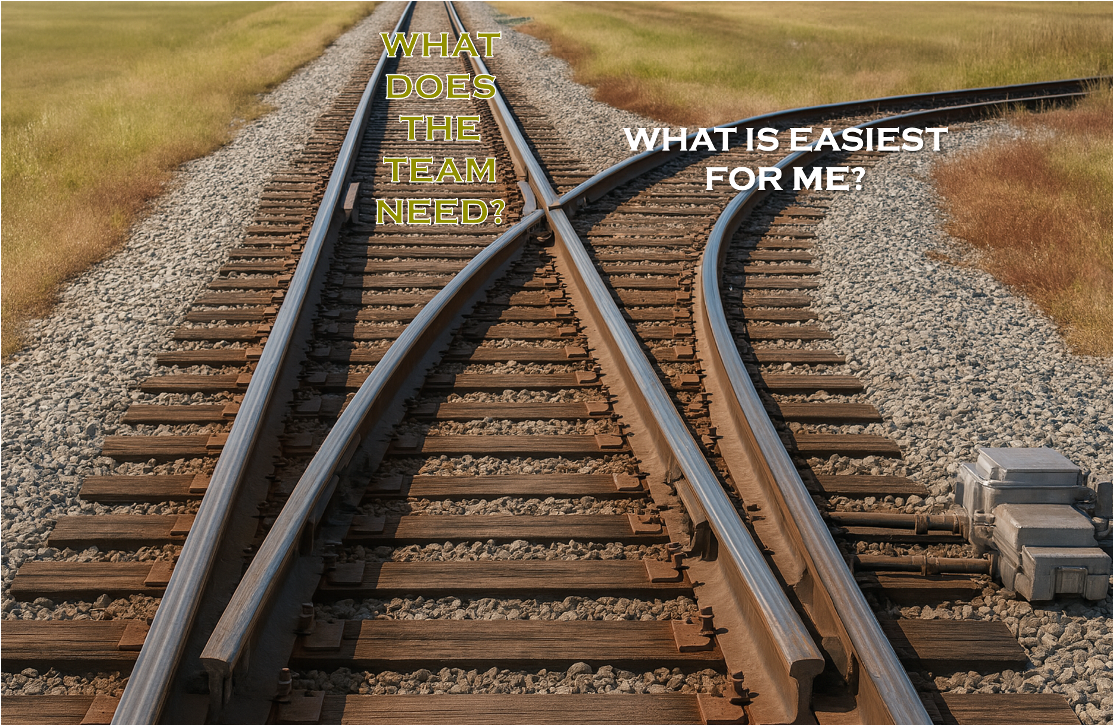
In every workplace, there’s a metaphorical “railroad switch” that team members come to again and again throughout their day.
It’s not marked with a sign or flashing lights, but it’s just as impactful as any physical junction. That mental “railroad switch” determines the direction of every behavior…
And, ultimately, what I call the “CULTURE DECISION SWITCH” acts just like a railroad switch for your team – and it determines whether your team enjoys a culture of accountability or selfishness.
And here’s the key insight for you:
With the culture decision switch, every person faces just two options:
Option 1: Do what is easiest for me
Option 2: Do what the team needs
Winning teammates consistently choose the second track.
And when they do, they set a powerful example that becomes contagious.
The more that track is chosen, the more that behavior is normalized. The more it’s normalized, the more it defines your culture.
The Decision That Defines Culture
Culture is often described as “how we do things around here.”
But that’s not quite specific enough.
A more accurate—and useful—definition is this:
“Culture is the collection of behaviors that are allowed and repeated.”
Those behaviors, over time, shape expectations, morale, performance, and retention. But before any of those behaviors happen, each person silently flips a switch.
It’s that moment—whether conscious or unconscious—where a person decides:
Am I going to act in a way that serves myself… or my team?
It could look like:
-Offering help to a colleague who’s behind—even if your own inbox is full.
-Admitting a mistake instead of covering it up or shifting blame.
-Giving someone the benefit of the doubt instead of gossiping.
-Choosing to speak up in a meeting when silence would be easier.
-Cleaning up after a meeting rather than leaving the room a mess.
None of these decisions are huge.
But they all require the same kind of moment:
A pause, and a coice to put team success above personal ease.
Over time, those decisions compound.
The track gets worn. The culture becomes more natural.
But, if you’re not teaching your people how to choose the right track, they’ll default to the easy one.
What Winning Teammates Understand
Winning teammates, regardless of their title, don’t operate on autopilot.
They bring intention to their actions.
They’ve learned to recognize that “switch moment” and lean into it with clarity.
They know that being a valuable teammate means:
Sacrificing convenience for contribution
Choosing curiosity over criticism
Offering solutions instead of just spotting problems
Acting in ways that build trust—even when it’s uncomfortable
And the reason they do this isn’t because they’re naturally wired that way. It’s because someone (maybe a mentor, coach, or leader) helped them see the switch.
Helped them understand that every action reinforces a track.
And helped them realize that they own the power to shape the culture they’re part of.
As a manager or team leader, that’s your job!
To make the invisible switch visible…
And to reinforce the courage it takes to choose the right track.
Most team members don’t even realize they’re at a behavioral switch.
They don’t see the moment as a choice.
And they cdon’t see how their decision affects the entire team.
Which is why one of the most powerful tools you can use as a leader is intentional team development events.
Not the kind with pizza and ping-pong.
Not the kind where people roll their eyes.
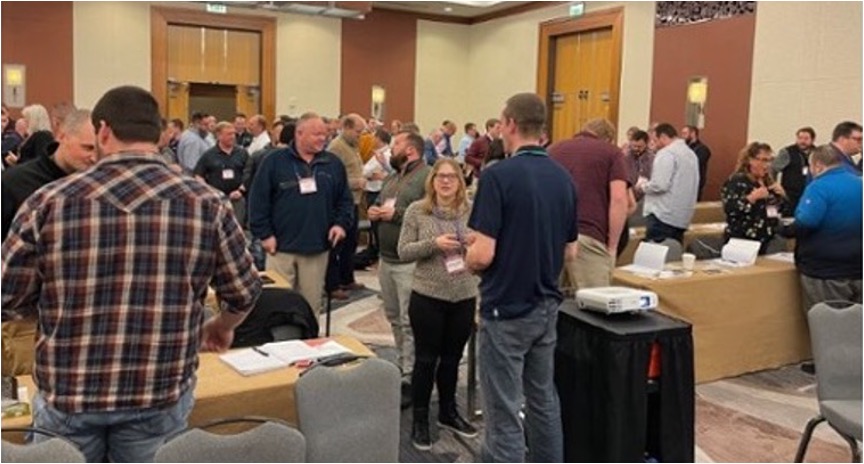
But real, intentional, professionally facilitated team-building – designed to help people understand the micro-decisions that shape performance and culture.
A Facilitated Event Can Change Everything
When I work with teams as a facilitator, one of the most eye-opening moments is when people begin to see how often they’ve defaulted to Option 1.
How often they’ve chosen what was easy over what was necessary.
It’s about awareness.
And once that awareness clicks in, things start to change.
Here’s what happens during an effective, engaging team-building session:
People realize their behavior is contagious.
When one person chooses to support or sacrifice, others follow.
Teams build a shared language around expectations.
Concepts like “the switch” become shorthand for cultural accountability.
Barriers to collaboration begin to dissolve.
When people understand each other better, empathy and trust grow.
Individuals feel more invested in team success
Because they’ve experienced what it feels like to be part of something meaningful.
And perhaps most importantly, they start to identify the exact moments they can flip the switch for the better. That clarity creates commitment.
And commitment is what every leader wants more of.
If your team is going to thrive long-term, you need people who choose the harder right instead of the easier wrong.
That’s a muscle.
And like any muscle, it needs to be exercised and encouraged.
That’s why I love working with organizations to create meaningful experiences (not just workshops) that inspire the profitable behaviors your culture needs most.
The goal is always the same:
Help your people see the switch.
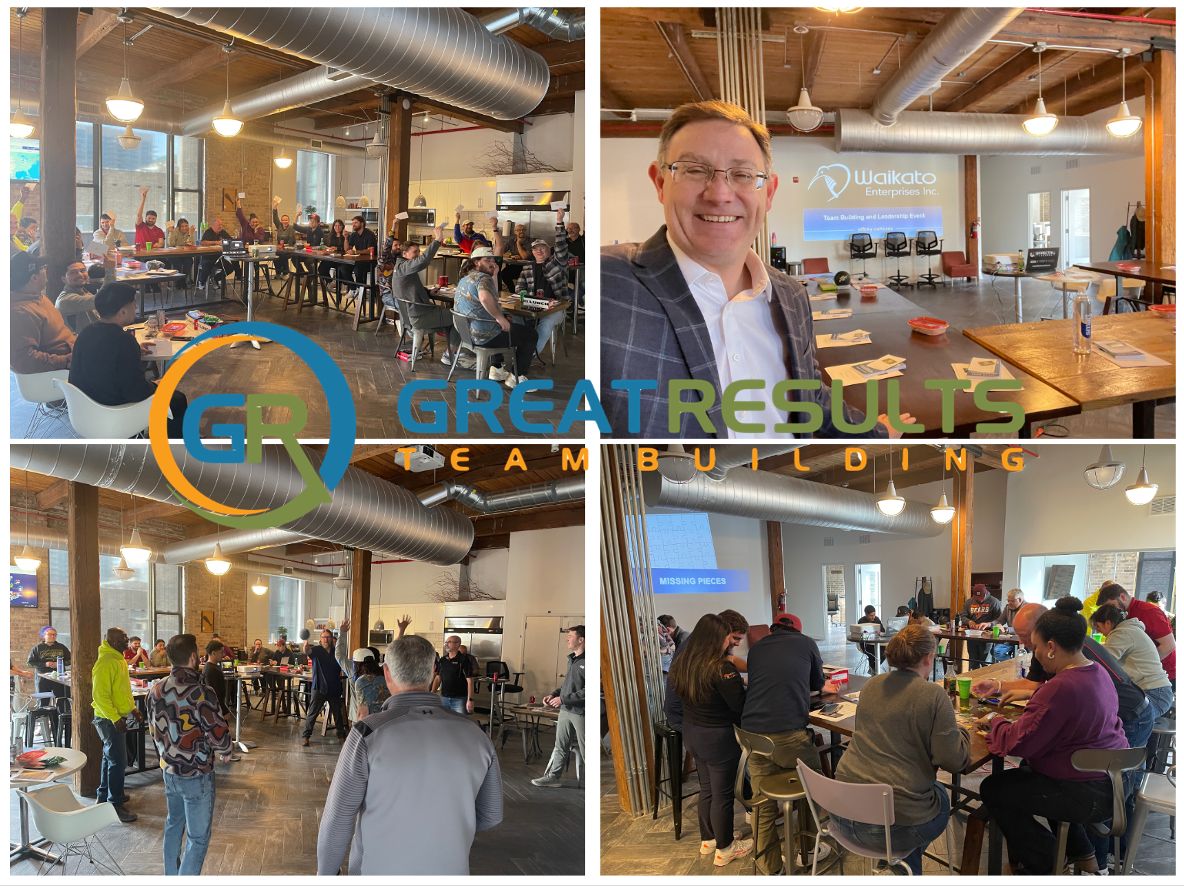
And empower them to choose the track that leads to shared success.
Because small daily decisions at the “culture decision switch point” lead to major differences in team morale and productivity down the line.
And the metaphor gives your team a common framework to reflect on…
Instead of saying, “Why didn’t you help with that?”
You can say, “What track do you think you took there?”
Instead of lecturing about the need for accountability, you can ask:
“What would it look like to take the team-focused track in that situation?”
You already have talented people. You likely already have solid strategies.
What most organizations are missing is a shared commitment to team-first behaviors—and a common language to talk about them.
That’s what this “railroad switch” conversation can give your team.
So here’s your two action steps:
1 Start pointing out the “switch” moments.
Ask questions like:
“When you responded that way, was it the easy path or the team path?”
“What would a winning teammate have done there?”
“What track do we want to build as a team?”
2 Consider bringing in a facilitator
A training event can help your team grow together.
If you’re planning an offsite, a quarterly strategy session, or just looking to recharge your team dynamic, I’d love to help.
My name is Sean Glaze, and I design interactive, high-impact team-building events that help people see the switch – and choose the track that will build and strengthen a Sticky Culture to make your team more successful.
– – – – –
Sean Glaze is a sought-after leadership and workplace culture speaker, who gained valuable insights on turning talent into teamwork as a successful basketball coach – and now he travels around the country to share those actionable lessons.
Sean’s engaging conference leadership keynotes and custom team building programs have helped clients like Cisco, John Deere, the CDC, and Emory University to increase collaboration, boost productivity, and build Sticky Cultures that inspire more profitable teamwork.
Sean’s books, Rapid Teamwork, What Effective Leaders DO, The 10 Commandments of Winning Teammates, and Staying Coachable are entertaining parables that accelerate the growth of leaders and teams!