Team building experiences are more than just fun gamesused well, they’re vital tools for enhancing communication, trust, and productivity within your organization.
When done right, these simple team building activities can provide eye-opening insights into how your team functions, how they handle pressure, and how they collaborate to achieve shared goals.
A professional facilitator can take a simple activity and help your team members extract valuable lessons that will impact the way they communicate and work together, transforming your workplace culture and elevating team performance.
Team Building: A Powerful Catalyst for Cultural Transformation
You may think of team-building activities as lighthearted diversions, but the best facilitated team building activities are much more than that.
They create opportunities for teams to connect, improve their awareness of each other’s strengths, and break down communication barriers. These experiences, when properly debriefed, can lead to meaningful changes in behavior, helping to shape a more effective, collaborative team culture.
Hiring a professional facilitator is key to unlocking the full value of team-building activities.
A skilled facilitator not only guides the experience but also helps participants reflect on what they’ve learned and how it applies to their day-to-day work. By translating these fun and simple activities into actionable insights, they help your team grow and improve in ways that stick long after the event.
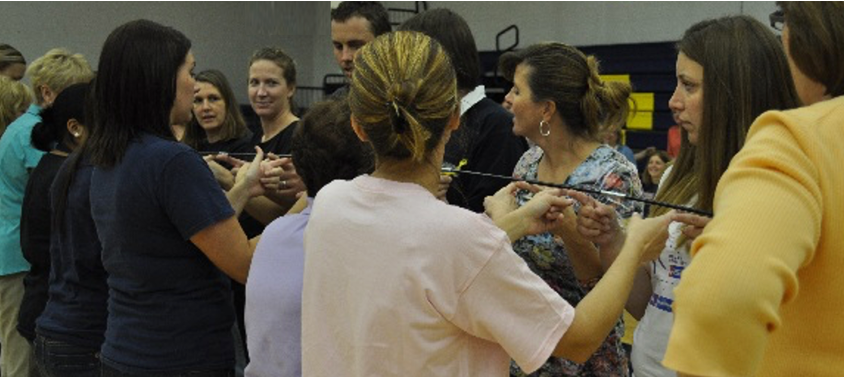
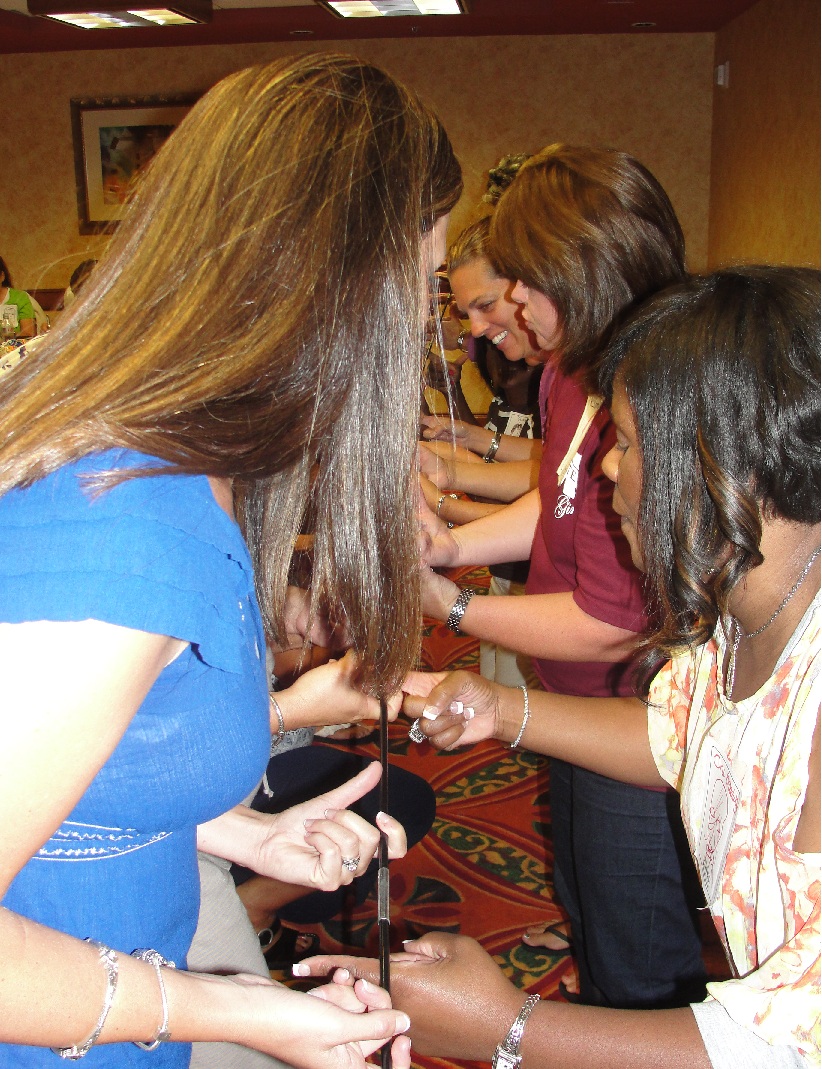
The “Helium Stick” is a classic team-building activity where participants work together to lower a lightweight rod to the ground. It sounds simple, but it requires coordination and communication, often illustrating several valuable lessons about teamwork.
Here are TEN powerful lessons for team communication and productivity that
a facilitator might highlight during the debriefing of this simple activity:
-
Effective Communication is Crucial
- Lesson: Teams often struggle with this task because everyone tries to move the stick simultaneously without clear communication. This highlights the importance of coordinating actions, listening, and giving clear instructions in the workplace.
- Application: Successful teams communicate clearly, and adjust based on feedback.
-
The Power of Collective Focus
- Lesson: When participants fail to lower the stick, they often realize that they’re not paying attention to the collective goal. Each person focuses on their own part, which causes the stick to rise rather than fall.
- Application: Alignment and shared focus are essential for achieving common goals. Teams need to prioritize the overall mission rather than individual tasks alone.
-
Patience and Trust in the Process
- Lesson: The initial frustration when the stick rises can lead to rushing or blaming others. However, when teams slow down and trust the process, they make steady progress.
- Application: Patience and trusting your teammates lead to more consistent and reliable results, even if the progress seems slow at first.
-
The Balance Between Leadership and Participation
- Lesson: Teams may struggle without leadership, or conversely, they may fail if too many people try to lead. The stick requires balanced participation from everyone.
- Application: Teams are most productive when leadership roles are clear, but everyone feels responsible for contributing equally to success.
-
Overcoming Initial Setbacks
- Lesson: Most teams struggle to get the stick moving downward, experiencing initial failures. However, once they begin collaborating, progress is smoother.
- Application: Teams should expect and embrace initial challenges and setbacks as learning opportunities rather than allowing frustration to disrupt focus.
-
Accountability and Self-Awareness
- Lesson: Individuals are often unaware that they’re contributing to the problem (raising the stick) until they’re made accountable by their peers or the facilitator.
- Application: Self-awareness and accountability are crucial in teams. Each person must recognize how their actions impact the group’s progress.
-
Managing Emotional Responses
- Lesson: Teams often experience frustration or blame others during the activity. However, those that maintain emotional control and stay solution-focused are more successful.
- Takeaway: Emotions like frustration and blame can derail team productivity. Teams that manage emotional responses and stay calm under pressure perform better.
-
Feedback Loops are Essential
- Lesson: The task requires constant feedback between team members to ensure they are working together properly. Without it, the stick doesn’t move, or it rises.
- Application: Regular, constructive feedback helps teams stay aligned, adapt quickly, and improve productivity, fostering continuous improvement.

AND TWO HELPFUL INSIGHTS FOR REMOTE TEAM MEMBERS:
-
Over-Communication is Better Than Under-Communication
- Lesson: When participants fail to communicate clearly during the activity, the stick tends to rise instead of fall. Success requires constant communication about small adjustments.
- Remote Application: In a virtual setting, over-communication is essential. Since body language and spontaneous conversation are limited, team members should be encouraged to clarify instructions, share progress updates frequently, and make their needs or challenges visible to others.
-
Small Actions Have Big Impacts
- Lesson: Even minor actions by one person in the activity can cause the entire team to lose control of the stick. This illustrates the impact of individual behaviors on group outcomes.
- Remote Application: In remote teams, small oversights—like not responding to an email promptly or missing a meeting—can have significant consequences. Team members must recognize how their individual actions (or inactions) can affect the overall progress and productivity of the group.
SO – Which of the above takeways would be most helpful to YOUR TEAM?
Many of these lessons reinforce the principles of communication, collaboration, and leadership in teams.
The “Helium Stick” activity demonstrates, in a simple yet effective way, the complexities of teamwork and how small actions and effective communication can make or break team productivity.
Use Team Building Events to Boost Your Team’s Success
The Helium Stick challenge may seem simple, but it offers profound lessons on teamwork, communication, and productivity.
By participating in this activity, your team can uncover the importance of clear communication, collective focus, patience, leadership, and accountability—skills that are crucial for success in the workplace.
If you want to transform your team’s culture, productivity, and collaboration, a professional facilitator can help bring these lessons to life. As an experienced team-building speaker and facilitator, Sean Glaze can guide your team through meaningful activities like the Helium Stick challenge and help you apply the lessons learned to your everyday work.
– – – – –
Sean Glaze is an engaging team building speaker. interactive facilitator, and leadership coach who helps organizations develop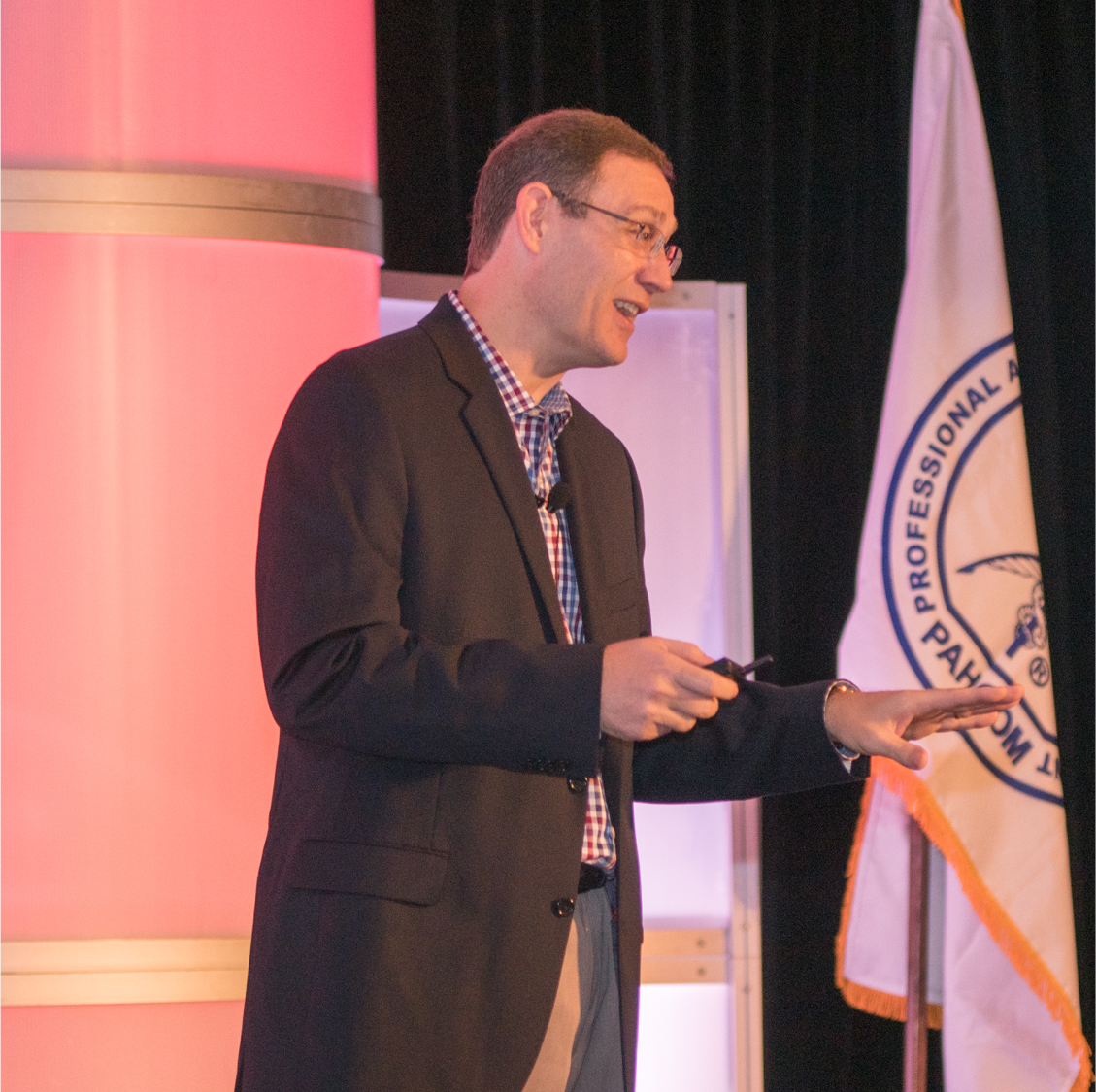 more effective leaders and build more positive and profitable workplace cultures.
Sean is the author of four books, The Unexpected Leader, Rapid Teamwork, The 10 Commandments of Winning Teammates, and Staying Coachable – each one an entertaining parable with powerful take-aways for team growth and leadership!
What issues are YOU dealing with that would disappear if you could build an exceptional team culture that inspired connection, accountability, and a team-first attitude?