How to Create Buy-In
on Your Team

.
You create buy-in by making the team’s direction worth choosing, connecting it to what each person wants, letting people help build the standards, holding those standards consistently for everyone, and recognizing the behaviors you want repeated.
Buy-in cannot be ordered. It is a choice each person makes.
It is less like getting people on a bus and more like getting them into a boat to grab an oar and row together, toward a destination they want, for a mission that matters, guided by values they accept. A leader’s job is to create the conditions that make that choice an easy one.
For years, my short answer to this question has been simple: connect people to a compelling common goal, and connect them to each other. Everything in this guide is a more specific way to do those two things.
That is the short answer. The longer one matters, because this is a question I hear at almost every event where I speak. Leaders ask it after a rollout that got plenty of nods and no follow-through. Teammates ask it about the colleague who coasts while everyone else carries the load. If you have ever been part of a team, you have asked it too.

I have watched this happen in hundreds of conference rooms. A leader rolls out a new priority. Everyone nods. A few people say “sounds good,” and the meeting ends on time.
Two weeks later, nothing has changed. The leader is frustrated, and the team is quietly doing what it always did.
That team did not reject the idea. They complied with it. And compliance looks exactly like buy-in, right up until the pressure goes away.
|
Definition Buy-in is choosing to serve the mission and live the values because you believe in where the team is going. |
The key word is choosing.
You cannot mandate a choice. You can only create the conditions that make it an easy one.
Leaders love to talk about getting people “on the bus” or “on board the plane.” I understand the appeal, but both pictures miss the point. On a bus or a plane, you buy a ticket, take a seat, and ride.
Somebody else does the driving.
You can sleep the whole way and still arrive.
Buy-in is more like getting people into a boat, grabbing an oar, and rowing together.
Nobody gets to ride. Every person pulls, and the boat only moves well when everyone pulls in the same direction at the same time. One person rowing the wrong way, or not rowing at all, and the whole crew feels it.
People will only pick up an oar when three things are in place:
|
What the Crew Needs |
What It Means on Your Team |
The Question It Answers |
|
A desired destination |
A clear goal the team actually wants to reach |
Where are we going? |
|
A meaningful mission |
A reason the trip is worth the effort |
Why does it matter? |
|
Acceptable values |
Guardrails for how people will work together while they pursue the goal |
How will we treat each other on the way? |
Take away the destination and people row in circles.
Take away the mission and they stop rowing when it gets hard.
Take away the values and they start arguing about who is pulling their weight.
The five moves in this guide are how a leader puts all three in the boat and keeps them there.
Buy-in does not usually die in one dramatic moment. It leaks out slowly, through small signals that tell people the mission and the values are optional. Here are the five leaks I see most often:
The good news is that every one of those leaks is within the team leader’s control. Gallup research finds that managers account for at least 70 percent of the variance in employee engagement scores. The person in the room with the most influence on buy-in is the person leading the room.
These three can look identical in a meeting.
They look very different on an ordinary Tuesday.
|
Compliance |
Agreement |
Buy-In |
|
|
What people say |
“Okay.” |
“Sounds good.” |
“Here is how we make it work.” |
|
While the leader is watching |
Does the minimum required |
Supports it in the meeting |
Takes ownership of the outcome |
|
When the leader is gone |
Drifts back to old habits |
Waits to see if it sticks |
Holds the standard and reminds others |
|
Under pressure |
Breaks first |
Bends |
Holds |
|
What it costs the leader |
Constant supervision |
Repeated reminders |
Very little, because the team carries it |
There is a simple way to find out which one you have. What happens when the leader leaves the room? If the standards hold, you have buy-in. If they slip, you have compliance.
You can run this test without leaving the building. Ask yourself three questions:
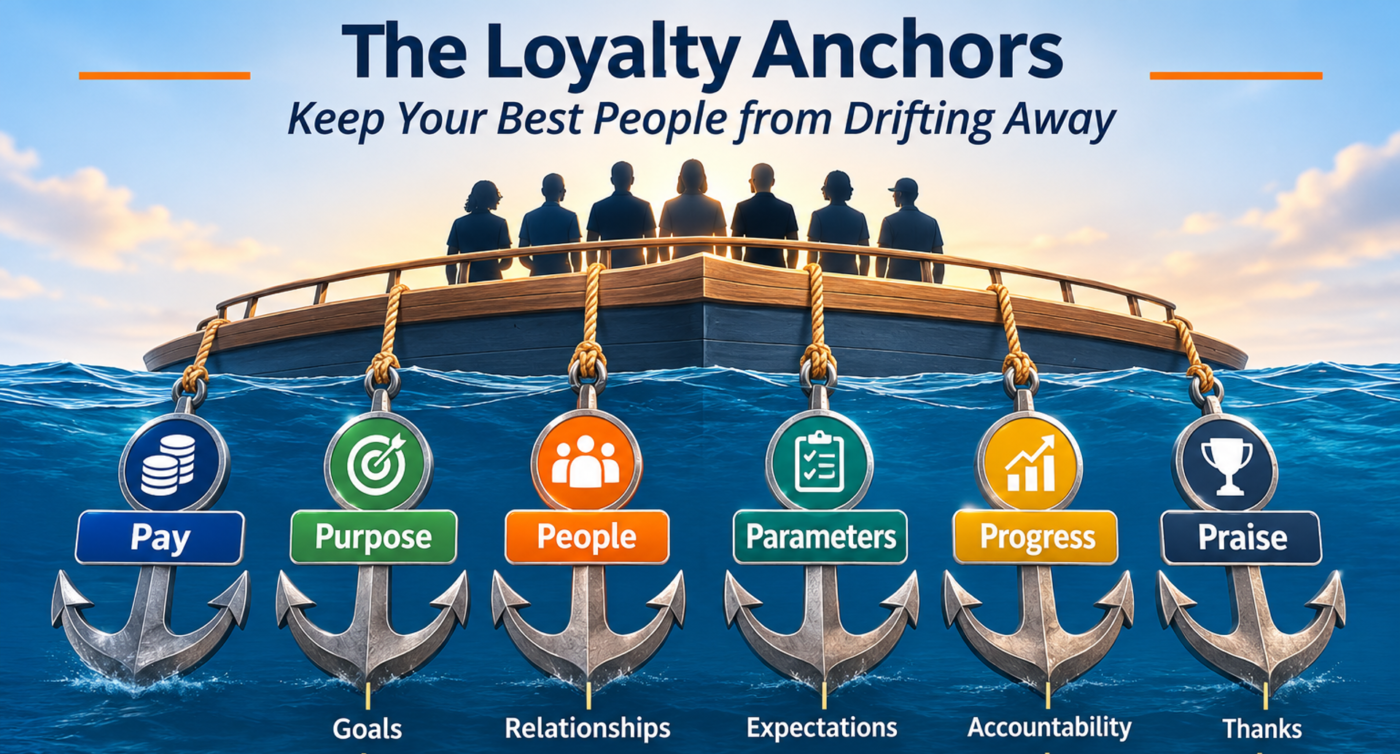
As a workplace culture speaker, I often talk with leaders about six loyalty anchors, the things that keep good people connected to a team: Pay, Purpose, People, Parameters, Progress, and Praise.
Pay matters, but many team leaders cannot control it. The other five you influence every single week, and each one lines up with a piece of the G.R.E.A.T. Culture Model: Goals, Relationships, Expectations, Accountability, and Thanks.
|
Loyalty Anchor |
What It Gives People |
G.R.E.A.T. Element |
Buy-In Move |
|
Pay |
Fair reward for their work |
Often outside the team leader’s control |
Be transparent about what you can and cannot change |
|
Purpose |
A destination worth choosing |
Goals |
1. Make the destination worth choosing |
|
People |
The sense of being known, not managed |
Relationships |
2. Connect the team’s needs to each person’s why |
|
Parameters |
Clear standards they helped shape |
Expectations |
3. Let the team build the standard |
|
Progress |
Proof the standard is real and moving |
Accountability |
4. Keep the standard alive, starting with you |
|
Praise |
Evidence the right behaviors get noticed |
Thanks |
5. Celebrate it when you see it |
Each of these stands on its own. They work best together, and they work best when you treat them as weekly habits instead of a one-time kickoff.
Loyalty anchor: Purpose | G.R.E.A.T.: Goals
People cannot believe in where the team is going if they cannot see it. When direction is vague, the team ends up rowing in different directions, and the leader mistakes confusion for resistance.
Before you ask anyone to buy in, take a hard look at what you are asking them to buy into. Imagine you were brand new to this team:
If the answer to any of those is no, more pep talks will not help. A company goal like “grow revenue 12 percent” is a number, not a destination. Translate it into something the team can picture: what we are building, who it helps, and what each role contributes. Clarity comes before commitment.
The fastest way to make a destination visible is a story. A goal on a slide is abstract. A two minute story about the customer whose problem got solved because someone on your team followed through is not. Stories let people see what your values and desired results look like in real life, and they show each person how their daily tasks connect to the mission. If you want people to aspire to something, show them an example of it.
|
Try this: The One Sentence Test At your next team meeting, ask everyone to write one sentence answering this question: Where is this team going this year, and why does it matter? Collect the answers and read them out loud. If they are all over the map, you do not have a buy-in problem yet. You have a clarity problem. Fix that first. |
Loyalty anchor: People | G.R.E.A.T.: Relationships
Every person on your team has self-interest. That is not a flaw. It is fuel.
People want to grow. They want to be recognized. They want a little more flexibility, a clearer path, or a manager who actually knows them. Your job is not to turn self-interested people into selfless ones. That rarely survives a stressful quarter. Your job is to show each person how winning together gets them more of what they already want.
Here is the catch. You cannot connect what the team needs to what someone wants if you never asked what they want. Leaders guess. They assume the ambitious one wants a promotion and the quiet one wants to be left alone. Sometimes they are right. Often they are not, and people can feel it when you have decided who they are without asking.
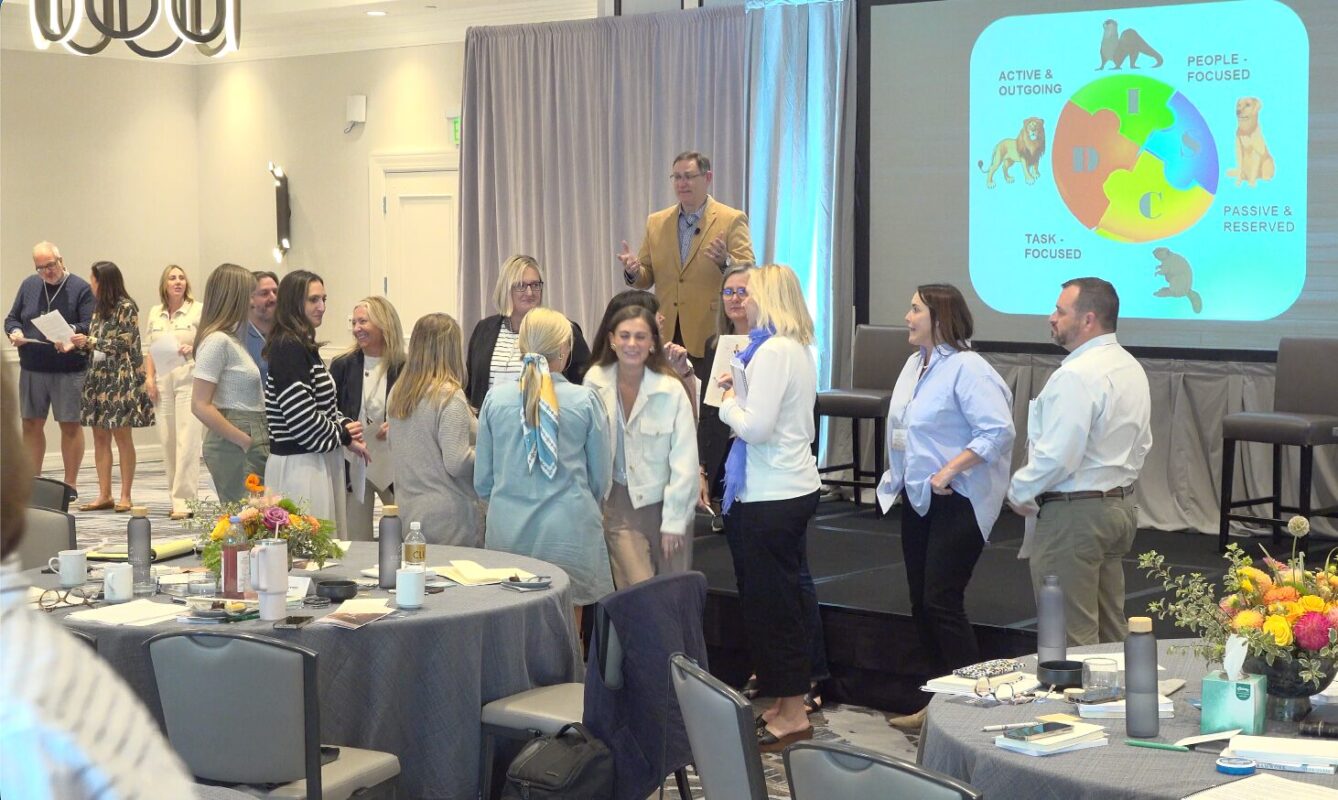
Personality style matters here too. In my DISC work with teams, I describe four styles that tend to want different things from a leader:
|
Style |
What Tends to Motivate Them |
How to Connect the Team Goal |
|
Lion (D) |
Challenge, results, and autonomy |
Show the stakes, then give them room to run |
|
Otter (I) |
Recognition, variety, and ideas |
Invite their ideas and celebrate wins publicly |
|
Retriever (S) |
Stability, inclusion, and harmony |
Explain how the change protects the team and check in often |
|
Beaver (C) |
Information, accuracy, and time to think |
Share the reasoning and data before asking for a decision |
Use the styles as a starting point for the conversation, not a substitute for it. Buy-in grows when people feel known, not managed.
A leader can build a strong connection with every person on the team and still lead a group of strangers. Buy-in gets much stronger when people feel committed to each other, because nobody wants to be the one who lets the rest of the crew down. Relationships are the foundation for the collaboration that improves team performance.
The challenge is building those relationships without prompting eye rolls and crossed arms. Recreational outings and forced icebreakers rarely change anything. What works is an intentional, facilitated experience: a relevant set of challenges that changes what people notice about each other and how they work together, long after the laughter has faded.
|
Try this: Two questions in your next one on one Ask: What would make this a great year for you? and What do you need that you are not getting enough of? Write down the answers. Before the conversation ends, connect one team priority to what they told you, out loud. “You said you want more client exposure. This project gets you in front of three of our biggest accounts.” |
Loyalty anchor: Parameters | G.R.E.A.T.: Expectations
Gallup reports that less than half of employees (47 percent) strongly agree they know what is expected of them at work. It is hard to live a standard you cannot describe. Vague expectations lead to vague efforts.
The usual fix is a leader writing the expectations and handing them down. That gets you a document. It rarely gets you ownership.
Here is the approach I use with teams: the leader owns the destination, and the team co-creates the behaviors that get them there. You do not put the mission up for a vote. You do invite the team to define what living it looks like on an ordinary Tuesday.
Start with the simplest question in leadership: “What do you think?” People want to feel valued and to know their opinion was considered, even when the team ultimately goes in a different direction. Asking costs you nothing. Not asking costs you ownership.
In my book Rapid Teamwork, one of the characters makes this point with a boxed cake mix that asks you to add your own eggs. If all you have to do is add water, you are not really baking. Adding the eggs makes you feel invested in the cake. Most teams are not being asked to add enough eggs to the mix.
One warning. Be clear about which standards are non-negotiable and which ones are truly open for input. If you have already made the decision, do not dress it up as a team discussion. People see through that immediately, and it costs you more trust than simply telling them.
|
Leader Owns |
Team Co-Creates |
|
Where the team is going and why |
What living the mission looks like day to day |
|
The non-negotiables (safety, ethics, legal, budget) |
The specific, observable behaviors that support the values |
|
Final decisions that are already made |
How the team will carry those decisions out |
|
What needs to happen, and by when |
How each person gets their part done |
|
Holding everyone to the agreed standard |
Reminding each other of the standard |
Once the destination and the standards are clear, step back. Give good people a clear understanding of what needs to happen and by when, and then let them work in the way that fits their personality and strengths. Micromanagement tells people you do not trust them, and people do not buy in to a team that does not trust them.
You may find that some of your best results come from people who do not think or work the way you do. That is a feature, not a problem.
|
Try this: Build the standard together Bring your mission and values to a team meeting. Ask: What does living this look like on a normal day here? Capture their exact words on a whiteboard. Narrow the list to four or five specific, observable behaviors. Then have everyone sign it, and post it where the team sees it every day. |
|
Key takeaway People protect what they help build. |
Loyalty anchor: Progress | G.R.E.A.T.: Accountability
A standard gets ignored once and nobody says anything. A top performer gets a pass. The leader misses a commitment and acts like it did not happen. Each one sends the same message: these standards are optional.
Accountability is not punishment. It is how people see progress. When Gallup studied what separates engaged employees, it found they are more likely to say their manager holds them accountable for their performance, and that employees define accountability as a manager treating everyone fairly and holding everyone to the same standard. People do not resent high standards. They resent standards that only apply to some people.
That includes you. Your team is always watching to see whether the standard applies to the person who set it. When you own a miss out loud, you give everyone else permission to do the same.
|
Try this: The five minute weekly check Revisit one team agreement every week. Spend five minutes in your team meeting asking: Where did we live this well? Where did we slip? And the next time you fall short of a standard, be the first one to say so. |
|
Key takeaway Consistency is what turns a standard into a habit. |
Loyalty anchor: Praise | G.R.E.A.T.: Thanks
According to Gallup, only about one in three U.S. workers strongly agree they received recognition or praise for doing good work in the past seven days.
That is a missed opportunity, because recognition does two jobs at once. It makes one person feel valued. And it shows everyone watching exactly which behaviors matter here.
The problem is usually not that leaders forget to say thank you. It is that the thank you is too vague to teach anything. Specific recognition builds culture, because it proves that living the values actually gets noticed.
Two more things make recognition work harder. First, praise strengths, not just results. Everyone wants to be seen for what they do well, and naming a strength tells people you are paying attention to who they are. Second, when it fits the person, praise publicly. Let the rest of the team hear what you are impressed with and thankful for. (Some of your Retrievers and Beavers may prefer a quieter thank you. Ask.)
|
Vague Recognition |
Specific Recognition |
|
“Great job this week, team.” |
“Maria, you caught the pricing error before the proposal went out Thursday. That is exactly what we mean by owning it. It saved us a very awkward client call.” |
|
“Thanks for all your hard work.” |
“Devon, you stayed on with the new hire until she could run the report on her own. That is how we said we would onboard people, and it shows.” |
|
Try this: The Friday three sentence thank you Every Friday, recognize one person for one specific behavior that matched a team value. Use three sentences: name the person, name the exact behavior, and explain why it mattered to the team. It takes less than a minute, and it will outlast almost anything else you say that week. |
Be realistic. Not everyone will align, no matter how well you lead. But before you decide someone has opted out, figure out which of these three groups they are actually in:
|
What It Looks Like |
What Is Usually Going On |
What to Do |
|
Doing the wrong things with good effort |
They need clarity |
Go back to Move 1 and Move 3. Make the goal and the standard concrete. |
|
Doing the minimum and staying quiet |
They need connection |
Go back to Move 2. Ask what they want and connect the work to it. |
|
Undermining the standard and pulling others with them |
They have chosen not to |
Have the direct conversation below, and follow through. |
When someone’s priorities cannot be reconciled with the team’s, name it clearly and have the conversation. Ignoring it quietly tells everyone else the standard was never real.
One great conversation will not create lasting buy-in. People’s priorities shift. New people join. A tough quarter tests everything you said you believed. This plan gives you a starting rhythm you can keep repeating.
|
Week |
Focus |
What to Do |
|
Week 1 |
Clarity (Goals) |
Run the One Sentence Test. Rewrite the team destination until every person could repeat it. |
|
Week 2 |
Connection (Relationships) |
Hold a short one on one with each person using the two questions. Connect one priority to each answer. |
|
Week 3 |
Co-creation (Expectations) |
Run the standards session. Narrow to four or five behaviors, sign it, and post it. |
|
Week 4 |
Reinforcement (Accountability and Thanks) |
Start the five minute weekly check and the Friday three sentence thank you. Then run the Empty Room Test. |
Rate each statement from 1 (rarely true) to 5 (consistently true) for your team right now. This is a quick reflection tool, not a validated assessment. Use it to decide where to start.
|
Reading your score 40 to 50: Strong foundation. Keep the weekly habits going and watch for slippage when things get busy. 30 to 39: Solid in places, with gaps. Look at your lowest two scores and start with the matching move. Below 30: Start with Move 1. Clarity comes before everything else. |
Employee buy-in is a team member choosing to serve the mission and live the values because they believe in where the team is going. It is different from agreement, which happens in a meeting, and from compliance, which lasts only as long as someone is watching.
Compliance is doing what you are told while the pressure is on. Buy-in is doing what the team needs because you have chosen to. The easiest way to tell them apart is to watch what happens when the leader leaves the room. If the standards hold, you have buy-in. If they slip, you have compliance.
Connect them to a compelling common goal and connect them to each other. Think of buy-in as getting people into a boat to row together, not onto a bus to ride. People pick up an oar when they have a desired destination, a meaningful mission, and acceptable values that guide how they work together. Give them a destination worth choosing, connect it to what each person wants, let them help define the standards, hold those standards consistently for everyone (including yourself), and recognize the behaviors you want repeated. People go all in when they can see the goal, see themselves in it, and see that the standard is real.
You can see early signs within a few weeks of clearer goals and better one on one conversations. Turning those early signs into habits takes months of consistent reinforcement. There is no fixed timeline, and buy-in has to be renewed whenever priorities shift or new people join.
Yes. Be clear that the decision is made, explain why, and then invite the team to shape how it gets carried out. People can commit to a direction they did not choose when they help build the path to it. What erodes trust is pretending a decision is still open when it is not.
Have the conversation directly and privately. Name the gap between their behavior and the team standard, ask what is behind it, and set a clear expectation with a follow-up date. Giving a top performer a pass tells everyone else the standards are optional, and that costs you more than the conversation does.
Recreational outings can be fun, but they rarely change behavior. Intentional, facilitated team building gives a group a shared experience that changes what they notice about each other and about what is possible. That new awareness shifts beliefs, and beliefs drive behavior. That is the Culture Awareness Loop, and it is how a team moves from compliance to commitment.
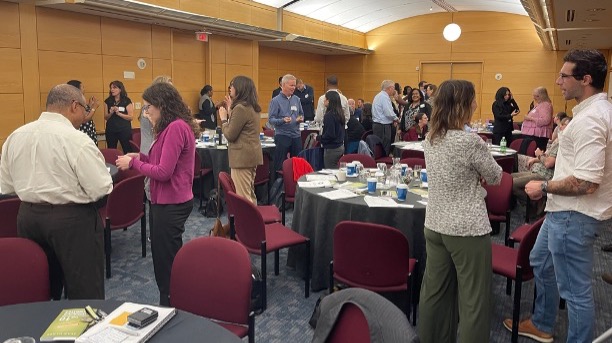
Everything starts with a leader having clarity about the team’s mission and values, and about where the team is going. Then each person can decide whether to grab an oar and row.
That is why these five work best together.
Goals give people something worth choosing.
Relationships connect it to what they care about.
Expectations let them shape it.
Accountability keeps it real.
Thanks makes it stick.
Connecting people to a goal, connecting them to each other, and making sure they feel valued and trusted to do their job are what turn a group into a committed team.
So look back over the five moves. Find the one you are not doing enough of, and do more of it this week. Then run the test again: what happens when you leave the room?
.
Work with SeanIf your team nods in meetings and drifts afterward, that gap is exactly what my keynotes, facilitated team workshops, and leadership coaching are designed to close.I would love to hear what your team is working toward. Schedule a 20 minute discovery call at GreatResultsTeambuilding.com |
.
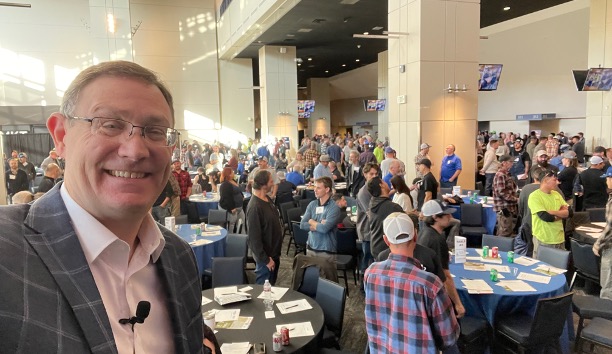
Sean Glaze is a workplace culture and leadership keynote speaker and team building facilitator. He has worked with organizations including Cisco, John Deere, CDC, Emory University, and Southern Company, helping teams build accountability, trust, and stronger collaboration.
He is the author of several leadership books, including Rapid Teamwork, What Effective Leaders Do, and The 10 Commandments of Winning Teammates, and he built the G.R.E.A.T. Culture Model, a framework leaders use to diagnose and strengthen team dynamics.
Great Results Teambuilding delivers intentional, facilitated programs for groups of 8 to 800. Every program is fully customized based on pre-event discovery. Every attendee receives a published book. Every debrief is designed to produce specific insights your team applies on Monday morning.
Past clients include Cisco, John Deere, the CDC, Emory University, Ecolab, Southern Company, the USPTO, and World Wide Technology – Over 100 client testimonials and 20 five-star Google reviews!
Ready to talk about your team?
Book a Call