American companies spend more than $170 billion every year on leadership development.
That number should inspire confidence.
Instead, it is followed by a statistic that should give every executive pause: Only 19% of organizations believe they are “very effective” at developing leaders across all levels (according to Deloitte).
More money. More workshops.
More certificates on the wall. And still, the gap grows.
So what is going wrong?
The answer is not that leadership development does not work. It is that most leadership development is working on the wrong problem.
The Expensive Misdiagnosis
The traditional leadership development workshop is built on a reasonable assumption: if we teach better skills to individual leaders, we will get better organizational outcomes. Teach communication frameworks. Share decision-making models. Train emotional intelligence. Send people home with a binder and a new vocabulary.
The problem is not with the content. The problem is with the unit of analysis. Leadership does not happen in isolation. It happens in relationships — in the daily friction and flow between people who have to trust each other, challenge each other, and execute together under pressure. A leader’s effectiveness is always measured against the results of the team they lead. And those results depend on something that rarely shows up in a leadership curriculum: culture.
When a leader returns from a three-day workshop with new frameworks and new energy, they walk back into a team environment that hasn’t changed at all. Old dynamics reassert. The skills that were crisp and clear on day one of the workshop start to blur within weeks. And twelve months later, the organization wonders why its investment didn’t move the needle.
A leader can know everything about leadership and still fail — if the team around them hasn’t built the trust, communication, and shared commitment that great leadership requires.
McKinsey research found that 70% of organizational change initiatives fail — and the number one reason cited is not poor strategy or inadequate skill. It is cultural resistance. The soil was not prepared for the seeds being planted.
This is the misdiagnosis most leadership development programs make. They focus on the individual plant. They ignore the soil.

What Most Programs Get Wrong
To be fair, the most common leadership development approaches are not without value. The issue is incompleteness.
One-day intensive workshops deliver a surge of energy and insight that evaporates quickly. Research consistently shows that 50 to 80 percent of new skills are lost within one week without structured reinforcement and real-world application.
Online leadership courses are scalable and accessible. But passive consumption — watching videos about trust, reading modules about psychological safety — does not build the actual behaviors those concepts describe. You cannot learn to swim by watching someone else do laps.
Executive coaching is genuinely high-value — for the individual. But it develops the leader in a vacuum, without addressing the team ecosystem they are responsible for building. A brilliant soloist still needs an orchestra.
360-degree feedback programs are useful diagnostic tools that often create anxiety without actionable next steps. Knowing that your team finds you inaccessible is not the same as knowing how to rebuild trust with them.
The pattern is consistent: these programs are designed to inform, not transform. And transformation — real behavioral change that shows up on Monday morning in how people talk to each other, challenge each other, and hold each other accountable — requires something these programs rarely provide: shared experience.
What a Leadership Development Workshop Needs to Do
Thesis: The most effective leadership development workshop is not one that teaches leaders new skills in isolation — it is one that equips the entire team to work together differently, with intentional experiences that build the trust, communication, and shared purpose that leadership effectiveness actually requires.
That reframe changes the design of everything.
Consider what Google’s Project Aristotle — one of the most rigorous team performance studies ever conducted — found when it analyzed hundreds of teams across the organization. The researchers expected to find that the best teams had the most talented individuals. What they found instead was that the highest-performing teams shared one defining characteristic: psychological safety. Every member felt safe enough to take risks, speak up, and admit mistakes without fear of embarrassment or punishment.
Psychological safety is not a personality trait. It is not a policy. It is a relational climate — and it is built through specific shared experiences over time. It is built through leaders who model vulnerability. Through teams that practice candid feedback in low-stakes situations before they need it in high-stakes ones. Through deliberate exercises that surface how people actually think and communicate, rather than assuming everyone operates the same way.
This is what a great leadership development workshop actually develops — not just the leader, but the entire relational infrastructure the leader depends on.
The Evidence for a Different Approach
Communication is a team sport, not a solo skill. ClearCompany data shows that 86% of employees cite lack of collaboration as the primary cause of workplace failure. The most critical communication breakdowns in organizations are not between a manager and a direct report — they are horizontal, across silos, between peers who have never built the relational foundation to be genuinely candid with each other. A leadership development workshop that includes cross-functional team activities builds the muscle memory for collaborative communication that no lecture can replicate.
Mission and values alignment is leadership infrastructure. Leaders cannot lead toward a destination their team has not collectively committed to. Mission alignment is not a poster on a wall — it is a living conversation that leadership development must facilitate. Teams with a shared vocabulary around values make faster decisions, recover from setbacks more effectively, and demonstrate higher cohesion during periods of organizational change. Building that alignment requires structured experience, not just an all-hands presentation.
Recognition is a leadership skill with measurable ROI. Towers Watson research found that companies with high-recognition cultures experience 31% lower voluntary turnover and outcomes that dramatically outpace organizations where recognition is an afterthought. Leaders who are trained to recognize specific behaviors — not just outcomes — create teams that repeat those behaviors. A leadership development workshop that includes practical recognition training produces faster culture change than one that focuses only on strategic or cognitive competencies.
Accountability starts with relationships, not systems. The teams with the highest accountability are not the ones with the most elaborate performance management systems. They are the ones where people care enough about their teammates to not want to let them down. That kind of accountability is built through connection, shared purpose, and the mutual respect that intentional team experiences create.
Accountability is not a system you install. It is a relationship you build. Teams hold each other accountable when they genuinely care about each other’s success.
Addressing the Real Barriers
“We already do annual leadership training. That should be enough.” Annual training is a foundation — but a foundation is not a building. The activities that look optional (team building events, relational workshops, culture experiences) are actually the multipliers that make the foundational training stick. Harvard Business Review found that leadership programs incorporating peer learning and real-time practice produce three times better behavioral retention than traditional classroom instruction alone. Skipping the relational layer doesn’t save money — it wastes the investment you already made.
“Our senior leaders don’t buy into soft-skills training.” This is the most consequential barrier in most organizations — and the most solvable one. The key is to reframe the ask. A leadership development workshop designed around measurable outcomes — engagement scores, retention rates, collaboration metrics, speed-to-decision data — speaks the language that skeptical executives actually respond to. This is not soft. It is the infrastructure that makes everything else work.
What Becomes Possible
When leadership development addresses the whole system — not just the individual leader, but the team culture they operate within — the results are qualitatively different.
Leaders stop being the bottleneck for every decision, because their teams are equipped and trusted to act. Communication improves not just in frequency but in quality — people say the hard things because they have built the relational safety to say them. Accountability becomes mutual rather than one-directional. And your best leaders stay, because they are growing in a culture that actually supports the kind of leadership they want to practice.
Skills matter. Strategy matters. But neither one reaches its potential without the cultural foundation underneath them. The organizations that understand this — and invest accordingly — do not just develop better leaders. They build better teams. And better teams win more often, retain talent more reliably, and adapt more quickly when the world changes.
That is not soft. That is the most strategic investment a leader can make.
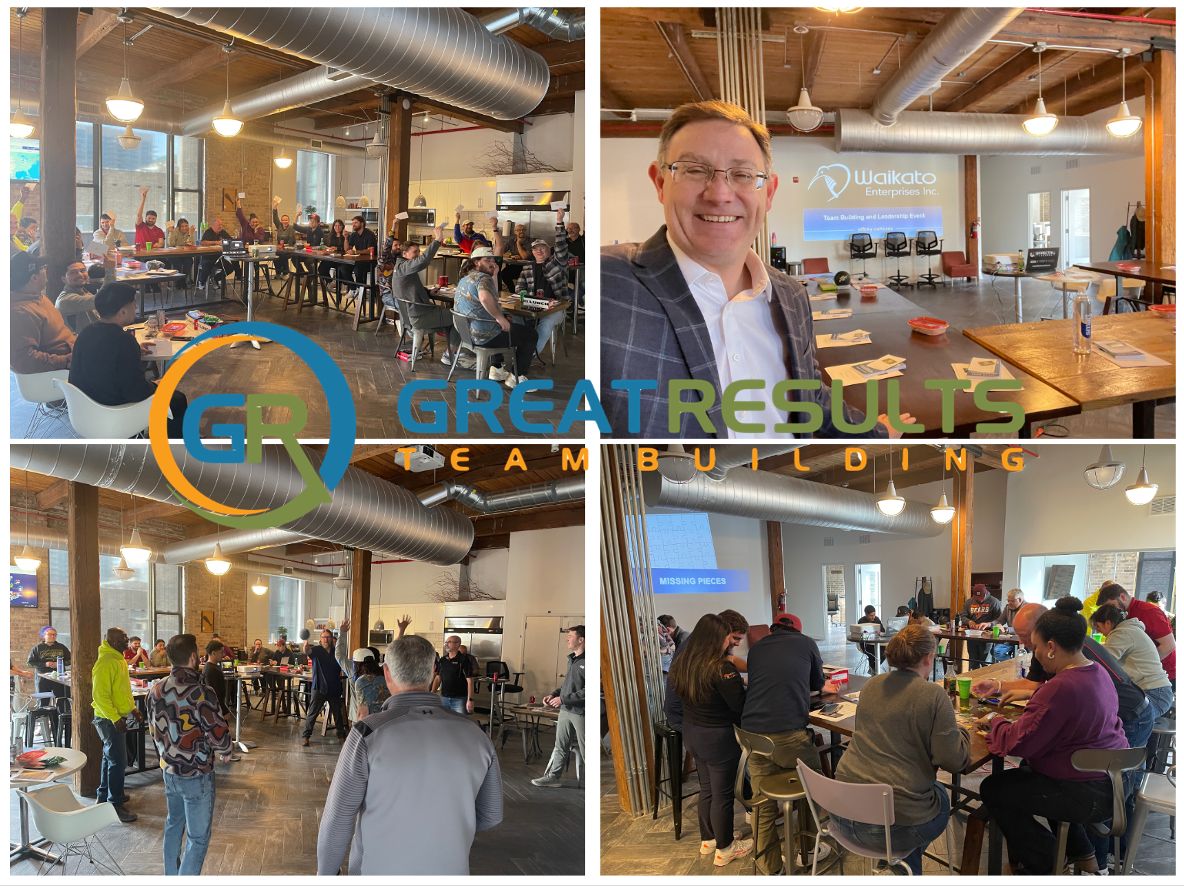
Ready to build a leadership development experience that actually sticks?
Sean Glaze has helped organizations like the CDC, John Deere, Coca-Cola, and Emory University build the trust, communication, and accountability that great teams require — through interactive keynotes and customized team building programs designed to shift how people lead and work together.
Connect with Sean and design a leadership development experience your team will actually remember — and use.
– – – – –
Sean Glaze is a sought-after leadership and workplace culture speaker, who gained valuable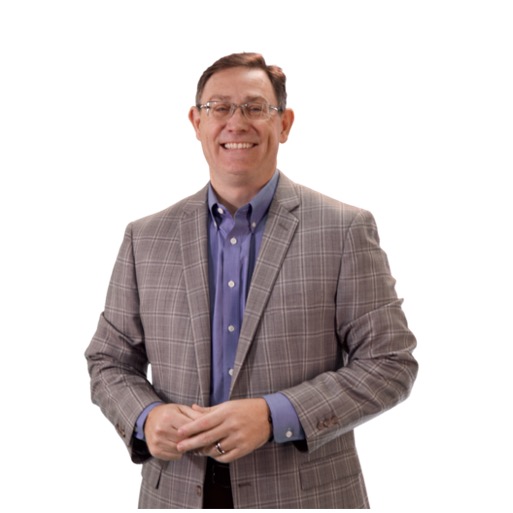 insights on turning talent into teamwork as a successful basketball coach – and now he travels around the country to share those actionable lessons.
Sean’s engaging conference leadership keynotes and custom team building programs have helped clients like Cisco, John Deere, the CDC, and Emory University to increase collaboration, boost productivity, and build Sticky Cultures that inspire more profitable teamwork.
Sean is a speaker mentor, and his books, Rapid Teamwork, What Effective Leaders DO, The 10 Commandments of Winning Teammates, and Staying Coachable are entertaining parables that accelerate the growth of leaders and teams!