
Every team has one.
The person who catches the mistake before it ships. The one who asks the uncomfortable question in the meeting everyone else wanted to end ten minutes ago.
The teammate who slows things down — and drives everyone else crazy doing it.
Most leaders look at that person and see a problem. I look at that person and see the reason your team hasn’t made a very expensive mistake yet.
I’ve spent over two decades studying team dynamics — first as a basketball coach, now as a leadership speaker and facilitator working with organizations like Cisco, John Deere, and the CDC. And one of the most common mistakes I see leaders make is confusing thoroughness with obstruction.
That “difficult” teammate? They’re probably a Beaver.
The Four Animals on Every Team
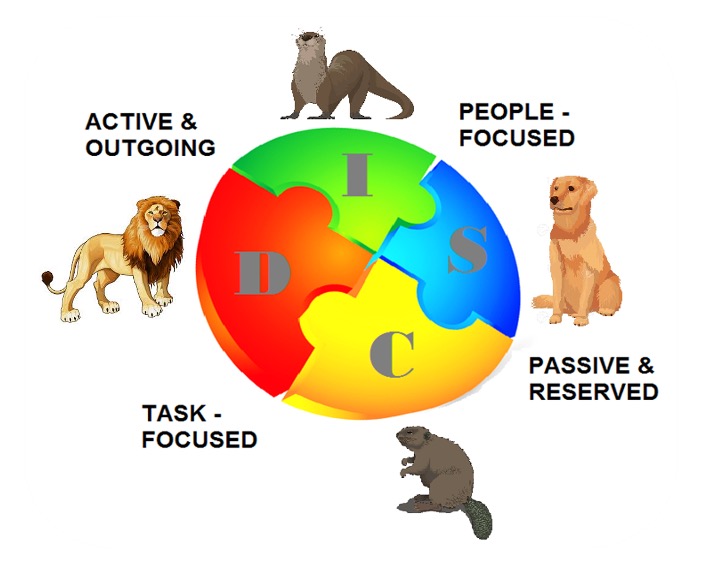
If you’ve been through a DISC personality assessment, or the ANIMAL framework version of it, you know that every team is made up of four core personality styles:
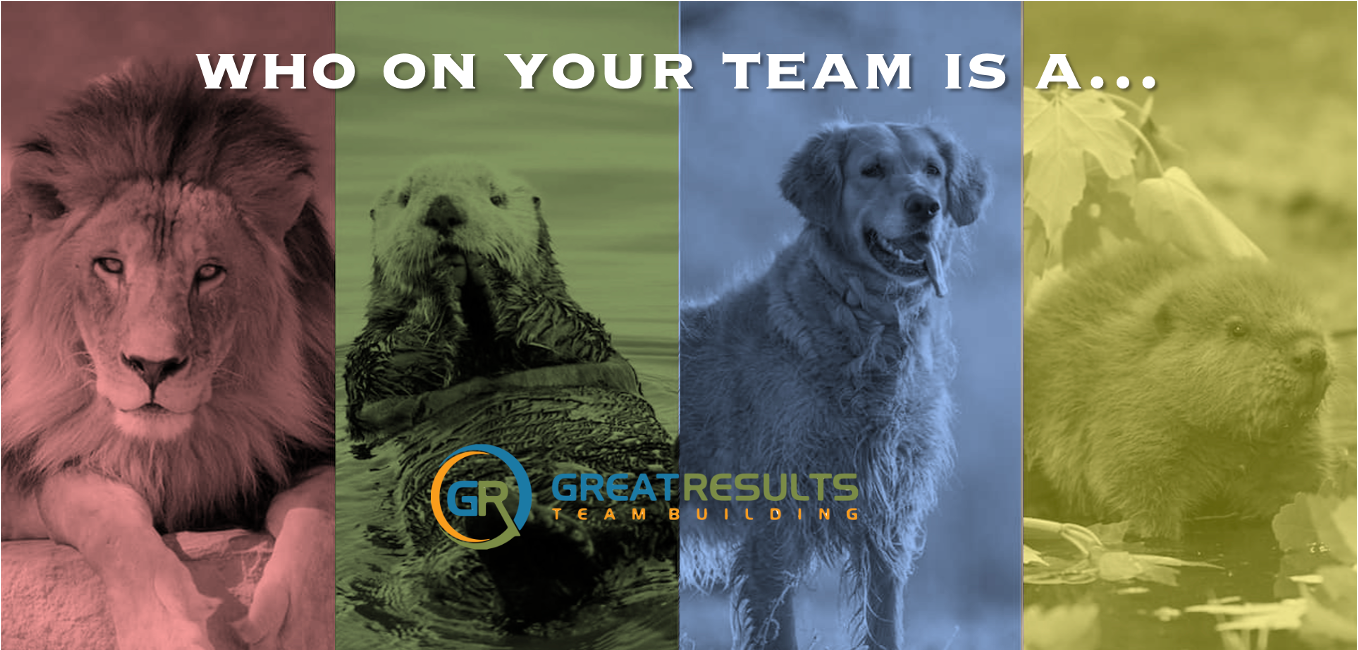
Lions (D-style) charge forward. They want results, and they want them now. Lions are decisive, competitive, and allergic to anything that feels like wasted time.
Otters (I-style) bring the energy. They’re the connectors, the idea generators, the ones who make the team actually enjoy showing up. But follow-through isn’t always their strong suit.
Golden Retrievers (S-style) hold the team together. They’re loyal, steady, and deeply invested in making sure everyone feels included. They avoid conflict like it’s a pothole on the highway.
Beavers (C-style) are the quality control department. They ask questions. They read the fine print. They want data before they commit. And they will absolutely slow your meeting down to make sure you’re not about to do something stupid.
Here’s the thing: every one of those styles creates value.
And every one of these team personality types, unchecked, creates problems. But in my experience, the Beaver is the one most often mislabeled as the problem — when they’re actually the solution your team keeps trying to silence.
The Teammate Nobody Appreciates (Until They’re Gone)
I was facilitating a corporate team building session for a mid-sized company last year, and the VP pulled me aside during a break. “We’ve got one person on this team who questions everything,” she said. “Every initiative, every deadline, every proposal. It’s exhausting.”
I asked her a simple question: “How many costly mistakes has your team made in the last two years?”
She paused. “Almost none, actually.”
“And how many of those near-misses did that person catch before they became real problems?”
She didn’t have to answer. The look on her face said it all.
This is the Beaver’s curse.
When they do their job well, nothing bad happens — and nobody notices. The fires that never start don’t make the highlight reel. The contract clause that would have cost you $200,000 doesn’t get celebrated at the team meeting because it never became a crisis.
Beavers protect your team from the disasters you never see. And instead of thanking them, most teams punish them for slowing things down.
Research backs this up. A study published in the Harvard Business Review found that teams with members who challenge assumptions and push for accuracy consistently outperform teams where everyone agrees quickly.
The discomfort of being questioned is the price of not being blindsided.
The Problem Isn’t the Beaver – It’s Which Kind You Have
Now, here’s where it gets nuanced.
Not every Beaver is protecting your team. Some are protecting themselves.
There’s a massive difference between a competent Beaver who slows things down because they’re catching real issues and an incompetent one who slows things down because they’re hiding behind process.
The first one is saving you money. The second one is costing you time — and time is money, especially when delays mean customers, clients, or top candidates walking away to your competitor.
So how do you tell the difference?
Watch what happens after the slowdown. A competent Beaver surfaces a specific concern, offers a solution, and moves forward once the risk is addressed. An incompetent Beaver raises vague objections, requests more data indefinitely, and never quite reaches a point where they’re comfortable proceeding.
One is doing quality control. The other is doing self-preservation.
As a leader, your job isn’t to eliminate the slowdown. It’s to figure out which kind you’re dealing with — and manage accordingly.

Give Your Beaver a Framework: Spot Check vs. Deep Dive Review
Here’s one of the most practical things you can do for the Beavers on your team: give them language that defines what you actually need from them.
Most Beavers default to “deep dive” mode.
They’ll analyze every angle, flag every risk, and build a case for why you should wait. Not because they’re trying to be difficult — but because nobody has ever told them that a quick spot check is enough.
Try this in your next meeting.
When you bring a proposal to the table, tell your Beaver exactly what level of review you need:
“I just need a spot check.” That means: glance at this, flag anything that’s obviously wrong, and give me a thumbs up or thumbs down in the next five minutes. We’re not looking for perfection. We’re looking for “is this going to blow up in our face?”
“I need a deep dive review.” That means: dig into this, take your time, build me a risk assessment. We’re making a big decision and I want your full analysis before we commit.
When you give Beavers this framework, two things happen.
First, they stop defaulting to the deep dive on every decision — because they finally have permission not to. Second, they feel respected. You’re not dismissing their thoroughness. You’re channeling it where it actually matters.
That distinction alone can save your team hours every week and eliminate the frustration that comes from a Beaver treating a lunch order like a capital expenditure.
What Happens When You Lose Your Beaver
I coached a basketball team years ago where our most detail-oriented player graduated. He was the kid who watched film on his own, memorized the scouting report, and reminded everyone of the play call when things got chaotic on the court.
The next season, we were more talented.
Faster. More athletic.
And we made more preventable mistakes in the first month than we’d made the entire previous year. Nobody missed him until the mistakes started piling up. Then everyone missed him.
Your team’s Beaver is the same way. They’re not flashy. They don’t give the motivational speech at the all-hands meeting. They’re not the person everyone wants to grab lunch with. But they are the reason your team’s work product is solid, your contracts are airtight, and your launches don’t blow up on day one.
Before you try to “fix” your Beaver or coach them to be more like an Otter, ask yourself: what would happen if they stopped doing what they do?
If the answer makes you uncomfortable, that’s your sign.
The best teams aren’t the ones where everyone moves fast and agrees easily. They’re the ones where every personality style is valued for what it brings, especially the ones that create productive friction.
Your Beaver is your insurance policy.
The question isn’t whether they slow things down. The question is whether you’re smart enough to recognize why they slow things down — and whether you’re giving them the framework to do it effectively.
Stop trying to speed up your Beaver.
Start learning how to aim them.
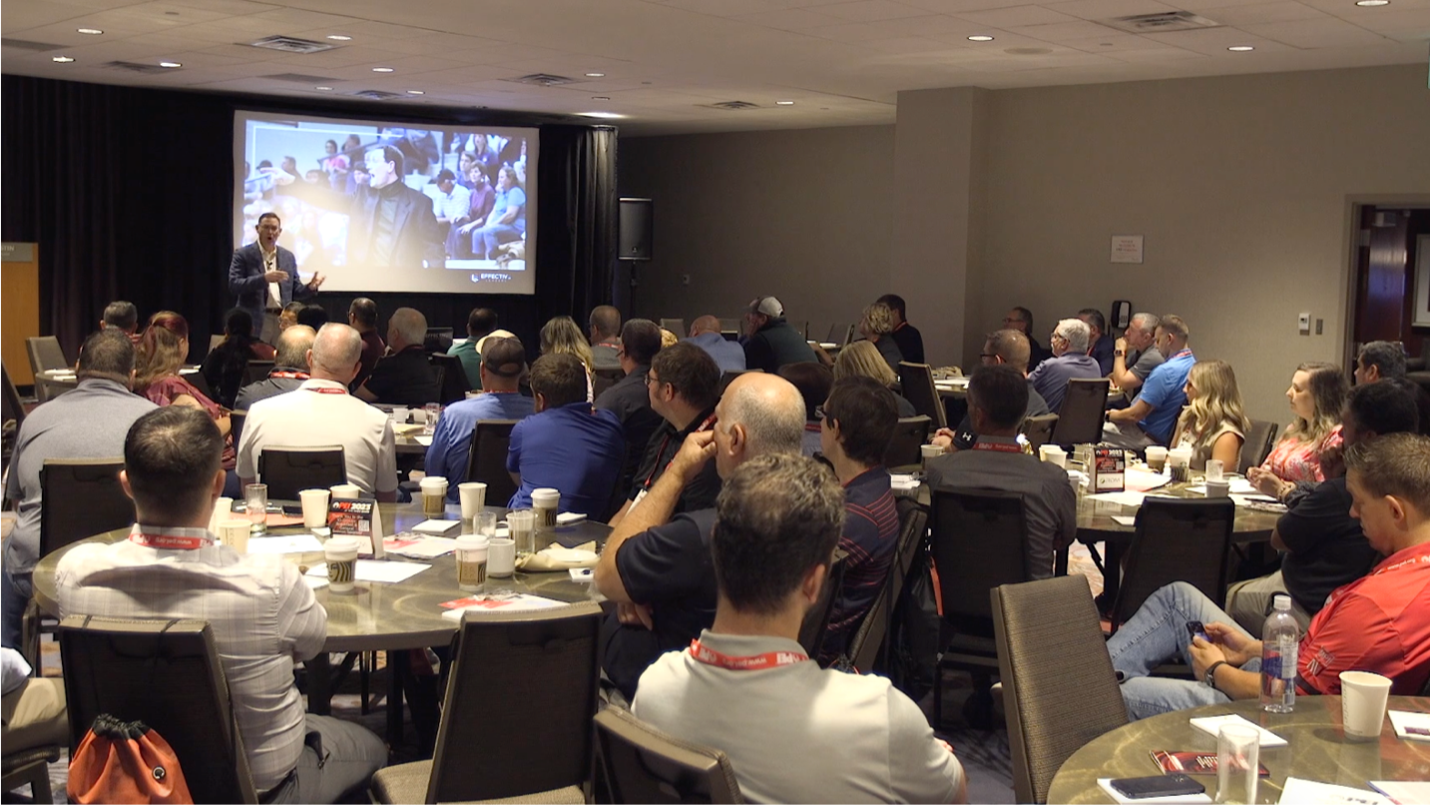
Sean Glaze is a leadership keynote speaker, team building facilitator, and author based in Atlanta, Georgia. His engaging conference leadership keynotes and custom team building programs have helped clients like Cisco, John Deere, the CDC, and Emory University to increase collaboration, boost productivity, and build Sticky Cultures that inspire more profitable teamwork.
As a successful basketball coach, Sean gained valuable insights on turning talent into teamwork – and now travels around the country to share those lessons. Sean’s books, Rapid Teamwork, What Effective Leaders DO, The 10 Commandments of Winning Teammates, and Staying Coachable are entertaining parables that accelerate the growth of leaders and teams!