
Choosing the right workplace culture speaker starts with understanding what a culture speaker actually does. A motivational speaker produces energy. A culture speaker produces behavior change. The difference is a framework.
The right culture speaker gives your leaders a shared language they can use with each other after the event ends. They shift awareness of the specific beliefs that are producing the behaviors your team is struggling with. And they do it through content customized to your actual challenges, not a generic program polished enough to work for any audience.
There are seven topics a great culture speaker must address to drive real change: retention, trust, accountability, psychological safety, recognition, leadership behavior, and teamwork. Most speakers touch a few. The programs that shift culture address all of them at the root.
Before you sign a contract, ask five questions.
What specific behavior change will this program produce?
Does the speaker have proprietary frameworks or recycled content? How does their discovery process work? What happens after the keynote to sustain the change? And can they deliver two sessions at a travel event for the same investment?
The answers will tell you more about the outcome than any testimonial will.
What Is a Workplace Culture Speaker?
A workplace culture speaker equips leaders with the frameworks, shared language, and awareness shifts that change how people work together. The right speaker does not just inspire an audience for 90 minutes. They give your team practical tools they can use on Monday morning, and a new way of thinking about the interpersonal behaviors that either build or erode your culture every day.
Culture is not a poster on a wall or a list of values in an employee handbook.
Culture is the sum of behaviors that are allowed and repeated on your team.
A great workplace culture speaker ir really a leadership and team building speaker who helps your leaders understand what is creating those behaviors, and how to change them.
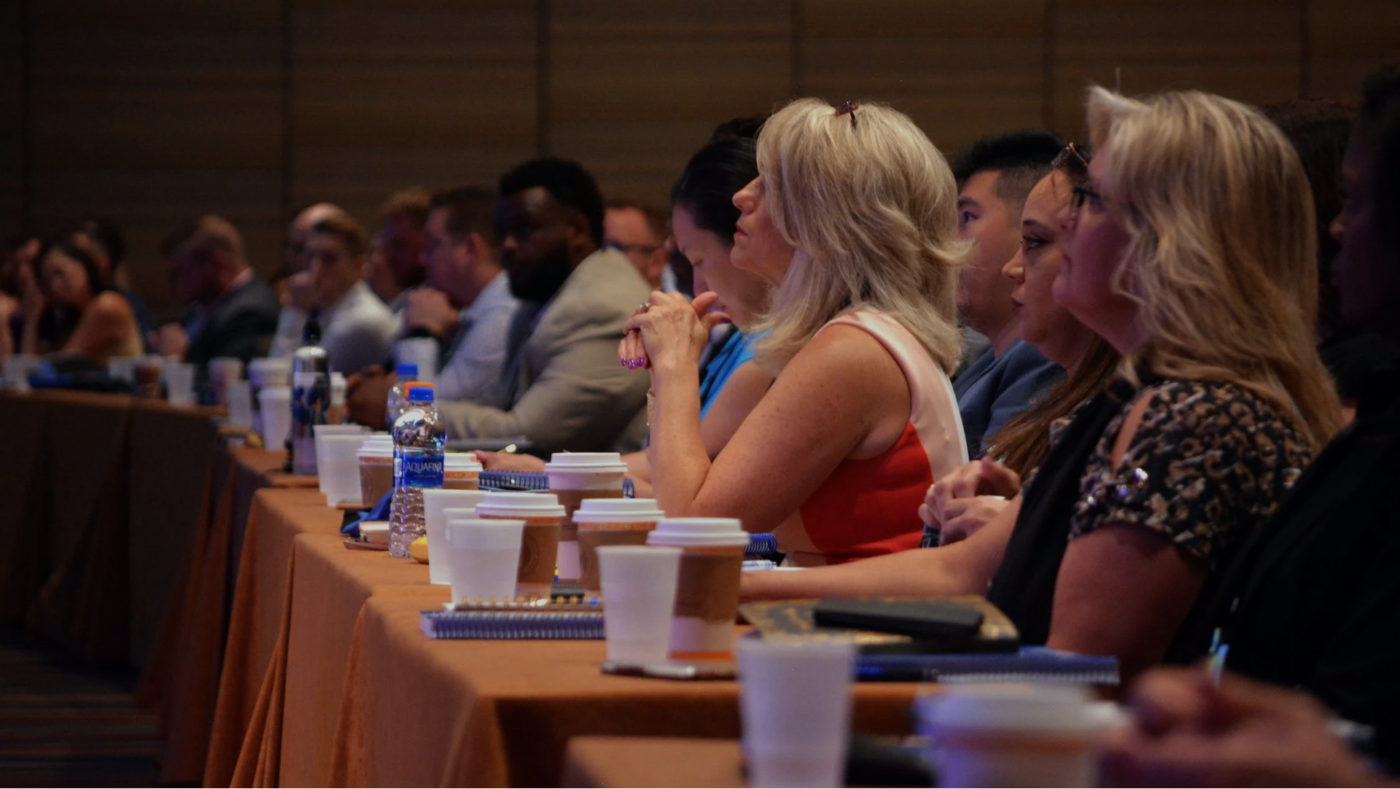
The Problem No One Names in the Budget Meeting
A few years ago I was working with a manufacturing organization that had just lost three of its top performers within 90 days. The leadership team was convinced the issue was compensation. They had already approved a salary study and were preparing to roll out a revised pay structure.
Before the initiative launched, I asked the HR director a simple question: had anyone sat down with the people who left and asked them directly why they chose to go?
She had. And here is what they said. They liked their pay.
They left because they did not trust their manager, felt like their contributions were invisible, and had watched the same low performers skate through quarterly reviews without consequence for two years.
Compensation got those employees in the door.
Culture drove them out.
That story plays out in organizations across every industry. The retention crisis most teams are experiencing is not primarily a compensation problem. It is a culture problem. And culture problems require a different kind of investment than a salary adjustment.
They require someone who can shift awareness, change beliefs, and give leaders a practical framework for building the kind of team people actually want to be part of.
That is what the right workplace culture speaker does.
Compensation gets people in the door.
Culture determines whether they stay (and how they contribute).
Why Retention Is a Culture Problem Before It Is a Compensation Problem
According to research from Gallup (their State of the American Workplace reports, which I encourage you to verify with their current data), the cost of replacing an employee typically ranges from one half to two times that person’s annual salary. For a mid-level manager earning $80,000, that is a real number. Multiply it across a department experiencing normal turnover and you start to understand why retention has become the dominant conversation in HR and leadership development.
But here is what the turnover data consistently shows when you dig into exit interview responses: most employees who leave a job voluntarily are not leaving because of pay. They are leaving because of their manager, their team, or the environment they work in every day.
Gallup has also reported for years that a significant majority of workers are not engaged at work. The numbers fluctuate, and I would encourage you to check their most current research rather than relying on any specific figure I cite here, but the direction is consistent: most teams are running at a fraction of their potential because people are physically present but not mentally invested.
What drives engagement?
The same things that drive retention. Trust in leadership. Clear expectations. Feeling valued. A sense that accountability is real and fair. A belief that the work matters.
A workplace culture speaker addresses all of these at their root.
The goal is not to inspire your team for an afternoon.
The goal is to shift the awareness of your leaders so that the behaviors creating your current culture become visible, and the behaviors that would produce a better one become learnable.
Seven Topics a Great Workplace Culture Speaker Must Address
Not every person billed as a culture speaker actually covers the full terrain.
Here are the seven topics that matter most, and why each one drives real change rather than temporary enthusiasm.
|
Topic |
The Belief Gap It Addresses |
What Changes When It Is Done Well |
|
Retention |
“Our people leave for more money.” |
Leaders understand what actually drives people to stay, and start investing there. |
|
Trust |
“Trust just happens over time.” |
Leaders learn the Three-Legged Stool: competence, concern for others, and commitments kept. They start building all three with intention. |
|
Accountability |
“Accountability means consequences.” |
Teams shift from fear-based compliance to ownership-based commitment. People hold themselves and each other to standards because they care. |
|
Psychological Safety |
“People speak up when they have something important to say.” |
Leaders recognize the cost of silence and create conditions where honest input is genuinely welcomed, not just tolerated. |
|
Recognition |
“We recognize people at the annual banquet.” |
Leaders understand that what gets recognized gets repeated, and they build specific, frequent recognition into daily interactions. |
|
Leadership Behavior |
“Culture is an HR initiative.” |
Leaders accept that culture is always a symptom of what they model, tolerate, and reward. The behavior change starts with them. |
|
Teamwork |
“If people are talented, they will figure out how to work together.” |
Teams learn the specific interpersonal behaviors that determine whether talented people actually function as a unit, not just a collection of individuals. |
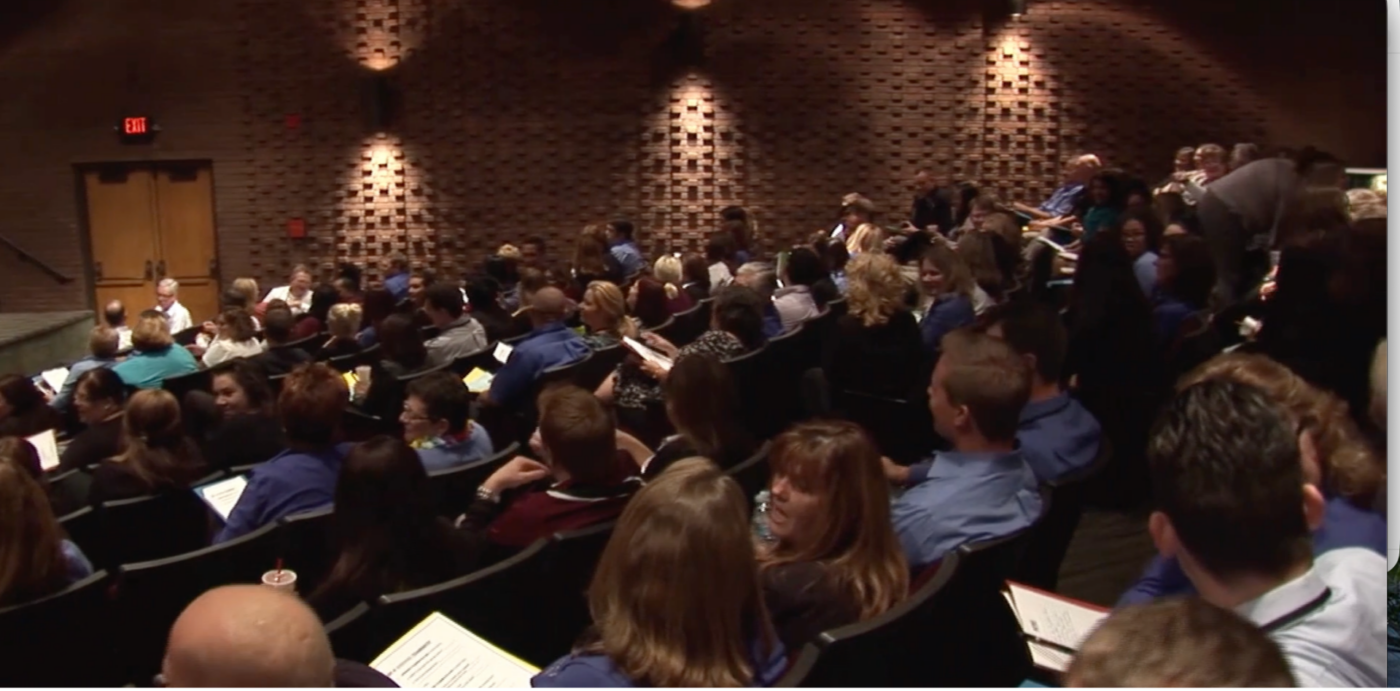
The Difference Between a Motivational Speaker and a Culture Speaker
This is the most important distinction you need to make as a buyer, and most conference planners do not know to ask about it.
A motivational speaker produces energy. That energy is real, and it is valuable. People leave the room feeling good, feeling fired up, feeling ready. And by Friday, most of that feeling is gone, because feeling is not a framework.
A culture speaker produces something different. They produce a shared language that your team can use with each other after the event ends. They produce frameworks that leaders can apply when a difficult conversation is needed, when accountability breaks down, or when a new team member needs to understand how things work around here.
Here is the practical test.
A week after the event, can your leaders name and apply something specific they learned?
Can they use the same vocabulary to describe a team problem they are facing? Is there a model they reference when they are trying to handle a conflict or close a performance gap?
If the answer is no, you had a motivational speaker.
If the answer is yes, you had a culture speaker.
The deepest version of this investment is a sequential curriculum, where the same speaker delivers connected programs over time.
The four keynote topics I bring to organizations form exactly that kind of progression: starting with the awareness leaders need to understand their own impact, moving through team culture alignment, individual teammate behavior, and then sustained growth through change.
Each session builds on the one before it.
Lorem ipsum dolor sit amet, consectetuer adipiscing elit, sed diam nonummy nibh euismod tincidunt ut laoreet dolore magna aliquam erat volutpat.
Three Red Flags When Evaluating a Workplace Culture Speaker
Knowing what good looks like is only half the job. Here is what should give you pause.
Red Flag 1: They cannot describe the behavior change their program produces.
Ask any speaker you are seriously considering this question before you sign anything: what will my leaders be able to do differently when they reach their cars at the end of the day?
If the answer is primarily about how the audience will feel, or if it stays vague and inspirational rather than naming a specific observable capability, you have your answer. A culture speaker who has done this work for years should be able to tell you precisely what shifts in awareness their program creates and what that awareness makes possible in the days that follow. Enthusiasm is not an outcome. A specific behavior change is.
Red Flag 2: Their pre-event process is a single intake form.
Culture is specific to your organization. The communication gaps your team is navigating, the trust issues that have been quietly eroding performance, the accountability patterns that have gone unaddressed for two years — none of that shows up in a standard questionnaire.
A speaker who does genuine discovery work before an event will want a real conversation. They will ask questions that do not have obvious answers. They will push back on your initial framing if they think it is pointing at a symptom rather than the root cause. If the entire pre-event process is a PDF you fill out and email back, the program you receive will be generic. Generic programs produce generic results, and a culture problem that has been building for years deserves better than a generic program.
Red Flag 3: They have no plan for what happens after they leave the room.
The keynote is the spark. If the speaker has nothing to say about what sustains the change after they are gone, that is a significant gap.
Ask directly: what does follow-through look like after this program ends? The answer should include something tangible. Books as takeaways that keep the content alive. A sequential curriculum that builds on the initial session over time. Resources your leaders can return to when the energy of the event has faded and the real work of applying the content has begun.
A speaker who treats the event day as the finish line is optimizing for a good afternoon. A culture speaker who understands how change actually works treats event day as the starting line and designs accordingly.
Before you can evaluate speakers against the right criteria, it helps to understand what the best leadership keynote speakers actually deliver beyond the event day so you know what a strong answer to your evaluation questions looks like.
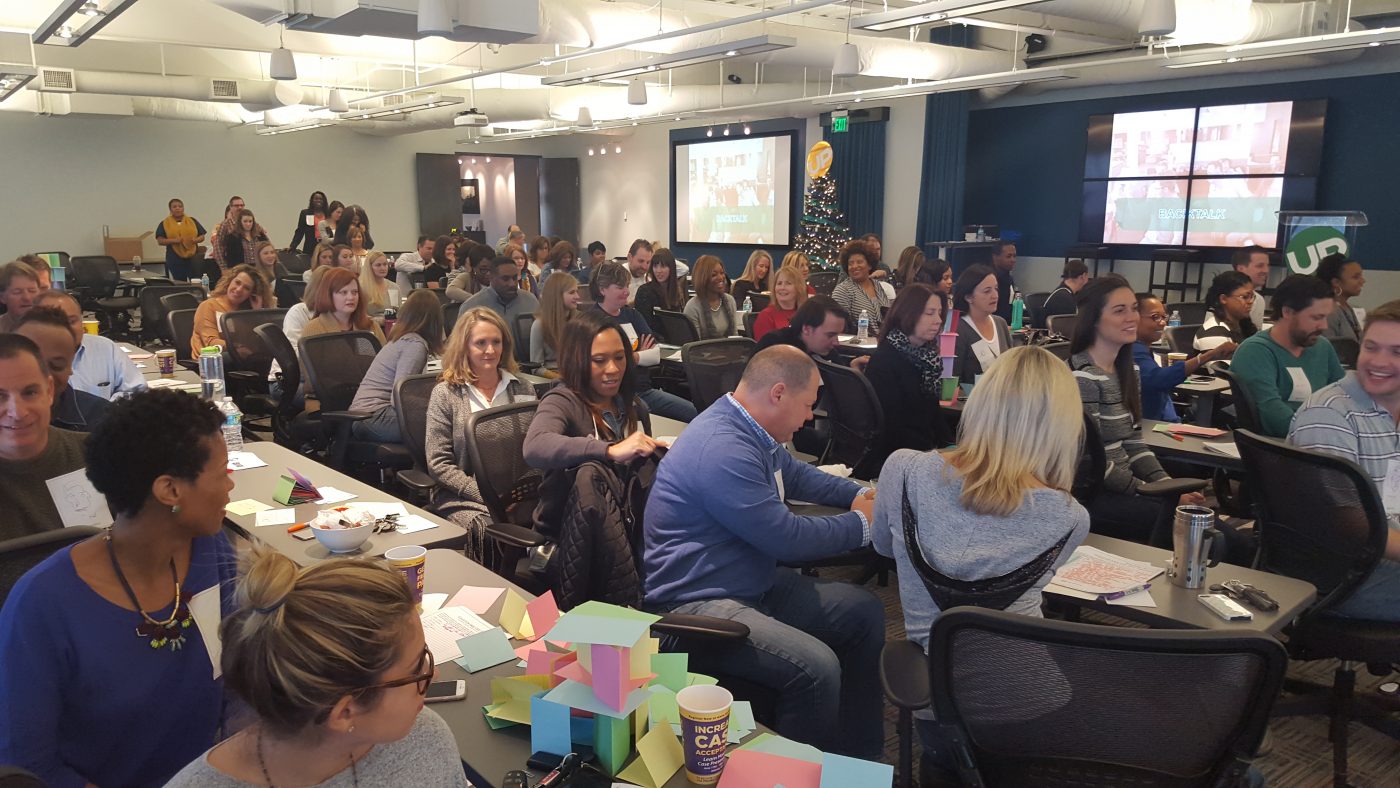
Why Awareness Is the Bridge Between Experience and Behavior Change
Here is the framework that underlies everything I teach, and it is the reason facilitated culture work produces results that a lecture or a team happy hour never will.
Culture is not created by values posters or mission statements.
Culture is the total of behaviors that are allowed and repeated on your team. Those behaviors are driven by beliefs. And those beliefs are shaped by the awareness people develop through their experiences.
This is the cycle:
What we notice in our experiences creates awareness.
Awareness forms our beliefs.
And our beliefs drive our behaviors.
The behaviors of your leaders and your team members become the culture your organization lives in every day.
Here is why this matters when you are choosing a speaker.
If the goal is lasting behavior change, then the speaker’s job is not to add information to your team’s existing beliefs. It is to create an experience that shifts awareness in a way that changes those beliefs.
Changed beliefs are what produce changed behaviors.
That is the mechanism behind intentional facilitation. It is also why recreational team activities, as fun as they are, rarely produce lasting behavior change. A bowling night creates an experience. But without a debrief, without intentional reflection, the experience never gets turned into a useful belief.
The experience passes, and the opportunity for growth passes with it.
Five Questions to Ask Before You Book a Workplace Culture Speaker
These questions serve two purposes. They help you evaluate any speaker you are considering. And for each one, you should also have a clear sense of what a strong answer looks like.
- What specific behavior change do you want your audience to be capable of after this session?
A culture speaker should be able to name the behavior shift their program produces. Not a feeling. A specific, observable behavior. If they cannot answer this in concrete terms, they are selling inspiration, not development.
- Does the speaker have proprietary frameworks, or are they repackaging generic content?
Borrowed frameworks are fine as a starting point, but a speaker who has been doing this work for years should have developed their own tools and models. Proprietary frameworks are a signal that the speaker has genuine depth and has done the hard work of original thinking. They also give your team something distinctive to refer back to after the event.
- Can the speaker connect their content to your organization’s specific culture challenges?
Pre-event discovery is not optional. It is where the customization happens. A speaker who shows up with the same deck for every client is not a culture speaker. They are a presenter. Ask what the discovery process looks like and how deeply they engage with your specific challenges before the event.
- What does follow-through look like after the keynote ends?
The keynote is the spark. What sustains it? Whether the answer is books as takeaways, a sequential return engagement, coaching follow-up, or a resource hub for continued learning, a culture speaker should have a clear answer to this question.
- Can the speaker deliver more than one session for the same travel investment?
This is a question most buyers do not think to ask, and it is one of the most practical differentiators available to you as a conference planner. Many speakers charge a full day rate for travel events. If they can deliver a keynote in the morning and a breakout or team session in the afternoon for the same travel cost, you are essentially getting two programs for the price of one. Ask directly before you assume.
.
One of the most useful distinctions to make early in your search is understanding the difference between a facilitator and a motivational speaker when choosing someone for your culture initiative, because the two approaches produce fundamentally different outcomes.
“Sean’s ability to listen to our needs and translate them into a program that was both simple and impactful made a significant difference for our team. The session was engaging and provided practical insights that extended beyond the event…
With a thorough post-event debrief and actionable steps for reinforcement, I can see a clear path to take the learnings from our event and effectively integrate them into our daily work.”
– Michelle Lapino, VP of Operations, TheHoneyPot
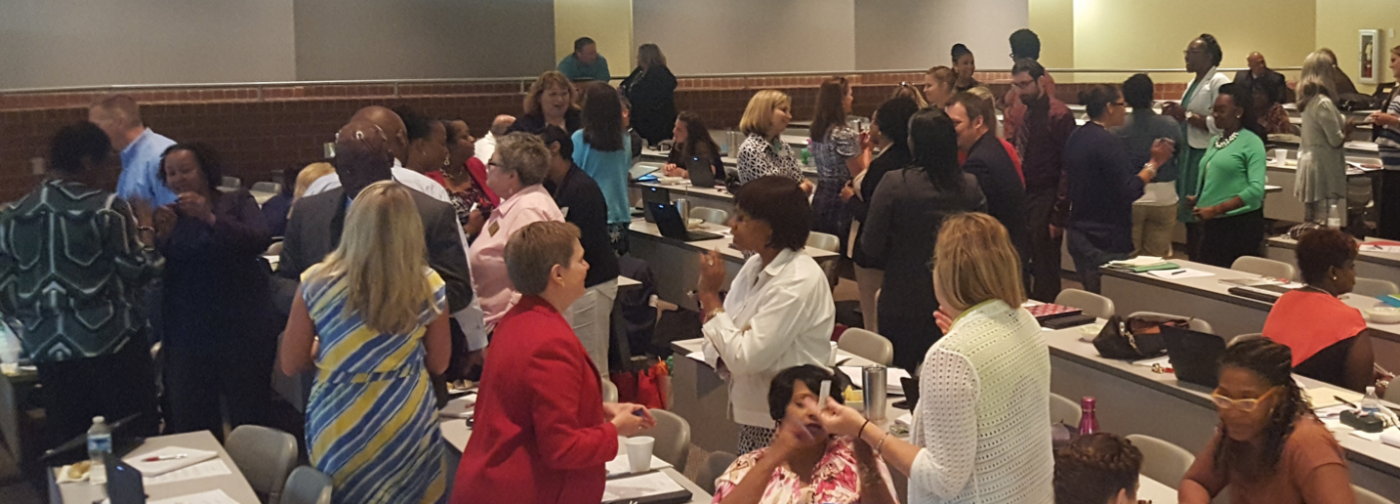
What Great Culture Speakers Leave Behind
You can evaluate a culture speaker by asking one simple question before you book: what will my team have six months after the event that they did not have before?
The answer should include more than a memory of a good afternoon.
- A shared language the team uses with each other. When your managers are describing a conflict using the same framework, and your employees are holding themselves to a standard that was named and defined in the program, the culture is actually shifting.
- Frameworks leaders can apply immediately. Not theory. Not inspiration. Practical tools for the specific leadership moments that challenge your people most: difficult feedback conversations, accountability gaps, recognition that feels real, and trust that develops intentionally rather than by accident.
- Awareness that changes beliefs rather than information that adds to existing knowledge. This is the distinction that separates programs that produce lasting change from programs that produce temporary enthusiasm.
- A connection between the session content and specific cultural challenges that attendees are actually facing. Generic programs produce generic results. Customized programs produce specific outcomes.
- Books as tangible reinforcement tools. A leadership parable that attendees can read or re-read after the event keeps the content alive long after the energy of the day has faded. Every attendee at my events receives one of my books as a takeaway for exactly this reason.
Sean Glaze as Your Workplace Culture Speaker
I am a workplace culture keynote speaker and team building facilitator based in Atlanta, Georgia. I have delivered interactive programs for organizations including Cisco, John Deere, the CDC, Emory University, Ecolab, Southern Company, World Wide Technology, and the United States Patent and Trademark Office.
Before I transitioned to the speaking world, I spent 20 years as a basketball coach, turning around underperforming teams and learning firsthand that the gap between a talented roster and a winning team is always a culture gap.
I am a National Speakers Association member, a PeopleKeys Certified DISC Facilitator, and the author of four leadership parables: Rapid Teamwork, The 10 Commandments of Winning Teammates, Staying Coachable, and What Effective Leaders Do. Each book serves as a tangible event takeaway that keeps the content alive long after the program ends.
The programs I deliver are not lectures.
They are interactive, facilitated experiences built around the specific challenges your team is facing. Every engagement starts with a pre-event discovery conversation so that the content connects to your organization’s real culture challenges, not a generic framework I apply the same way to every client.
Frequently Asked Questions
What is a workplace culture speaker?
A workplace culture speaker is a professional who helps organizations understand, diagnose, and improve the environment their people work in every day. Unlike a motivational speaker who primarily delivers inspiration and energy, a culture speaker equips leaders with specific frameworks, shared language, and the awareness needed to change the beliefs that drive team behavior. The best culture speakers connect their content directly to the organization’s actual challenges rather than delivering a generic program.
What topics does a culture keynote typically cover?
The best culture keynotes address the root causes of the most common organizational problems: retention, trust, accountability, psychological safety, recognition, and leadership behavior. A strong culture keynote is not a list of tips. It argues a specific point of view about why culture works the way it does and gives leaders a practical framework for changing it. Topics like the G.R.E.A.T. culture model, the Three-Legged Stool of Trust, and winning teammate behaviors are examples of frameworks that go beyond inspiration into actionable practice.
How does a culture speaker improve employee retention?
Retention is primarily a culture problem, not a compensation problem. Research consistently shows that the majority of voluntary turnover is driven by relationship quality with a manager, lack of recognition, unclear expectations, and an absence of genuine accountability. A culture speaker addresses each of these directly by shifting the awareness and beliefs of your leaders. When leaders understand what actually keeps people engaged and feeling valued, the behaviors that drive retention become visible and learnable. Compensation gets people in the door. Culture determines whether they stay.
What is the difference between a motivational speaker and a culture speaker?
A motivational speaker is primarily in the business of producing energy and enthusiasm. The experience is real and can be genuinely valuable, but the impact typically fades within days because inspiration is not a framework. A culture speaker is in the business of producing behavior change. They do this by shifting awareness, changing the beliefs that drive behavior, and giving teams a shared language and practical tools they can apply immediately after the event. The test is simple: a week later, can your leaders name and use something specific they learned? If yes, you had a culture speaker.
How do you measure the ROI of a culture keynote?
The most practical way to measure the impact is through behavioral indicators: Are managers having more frequent and productive development conversations? Has the team’s language around accountability, trust, or recognition shifted? Are the frameworks from the program being referenced in team meetings?
A great speaker is most effective when the surrounding event is designed to reinforce their content, which is why it is worth thinking about how to plan a company offsite that makes the most of your speaker investment before you finalize your agenda.
Longer-term metrics like retention rates and engagement survey results are also meaningful, though attributing them to a single program is difficult given the many variables involved. The clearest signal of ROI is whether the content produced a lasting shift in how your leaders think and behave, not just how they felt in the room.
What should I look for when booking a leadership culture speaker?
Look for five things. First, proprietary frameworks that show original thinking rather than recycled content. Second, a genuine discovery process before the event so the program connects to your specific challenges. Third, the ability to name a specific behavior change the program produces, not just an emotional experience. Fourth, a plan for what happens after the keynote to extend the investment. Fifth, and this is one most planners do not ask about: can the speaker deliver two sessions at a travel event for the same travel cost? That question alone can double the value of your speaker investment.
Can a culture keynote speaker also deliver team building?
Yes, and in many cases the combination of a keynote and a facilitated team building experience on the same day produces the best outcomes. The keynote creates the shared framework. The team building experience applies it immediately through structured activity and debrief. When the same speaker delivers both, the continuity between them is seamless, and the day builds on itself rather than feeling like two separate events. If you are bringing a speaker in for a travel event, ask directly whether they can do both for a single travel investment.
The Right Question to Ask First
If your organization is experiencing retention challenges, engagement gaps, or team friction, the first question worth asking is not what program do we need.
It is “what beliefs are producing the behaviors we are seeing right now?”
Culture is always a symptom.
Symptoms are treatable. But treating a symptom without understanding the belief that is driving it is how organizations end up with the same dysfunctional team.
The right workplace culture speaker helps your leaders see what they have been missing, name what has been allowed, and choose a different standard going forward. That shift starts with a conversation.
Ready to Invest in a Conference Program
That Actually Changes Awareness & Behaviors?
Great Results Teambuilding delivers intentional, facilitated programs for groups of 8 to 800. Every program is fully customized based on pre-event discovery. Every attendee receives a published book. Every debrief is designed to produce specific insights your team applies on Monday morning.
Past clients include Cisco, John Deere, the CDC, Emory University, Ecolab, Southern Company, the USPTO, and World Wide Technology – Over 100 client testimonials and 20 five-star Google reviews!