Team Building Activities for Work
A Guide to Choosing Activities That Actually Improve Performance
A Guide to Choosing Activities That Actually Improve Performance
The best team building activities for work are not the ones that produce the most laughter in the room. They are the ones that create awareness of how teammates affect each other, shift the beliefs that drive collaboration, and produce behaviors that look different on Monday.
Every team building activity falls into one of two categories.
Recreational activities create fun.
Intentional activities create fun AND the awareness that turns the experience into lasting behavior change. Both have value. But if your goal is improved communication, stronger trust, or genuine accountability, you need intentional activities designed around specific outcomes.
Choosing the right activities starts with three questions:
What awareness do we want to create?
What belief do we want to shift?
What specific behavior do we want to reinforce?
Format follows outcome.
Once you know what you want your team to be capable of differently after the experience, the activity selection becomes straightforward.
The debrief is the mechanism. What you do after the activity matters more than the activity itself. A skilled facilitator connects what the team just experienced to what they navigate at work every day, and that connection is where the behavior change actually happens. The activity is the vehicle. The debrief is the destination.
The best team building activities for work are not the ones that produce the most laughter in the room. They are the ones that create awareness of how teammates affect each other, shift beliefs about collaboration, and produce behaviors that improve performance the following Monday.
Every team building activity falls into one of two categories.
Recreational activities create fun experiences. Intentional activities create fun experiences AND the awareness and reflection that turn those experiences into lasting behavior change.
Both categories have value. A team that has fun together builds genuine connection, and connection matters. But if your goal is improved performance, reduced conflict, better communication, or stronger accountability, you need intentional activities designed around specific outcomes, not just a good afternoon away from the office.
This page explains how to choose team building activities that deliver real results, which activities build trust, communication, and accountability, what the research and experience tell us about why most team building fails, and what separates meaningful facilitated team building events from forgettable ones.
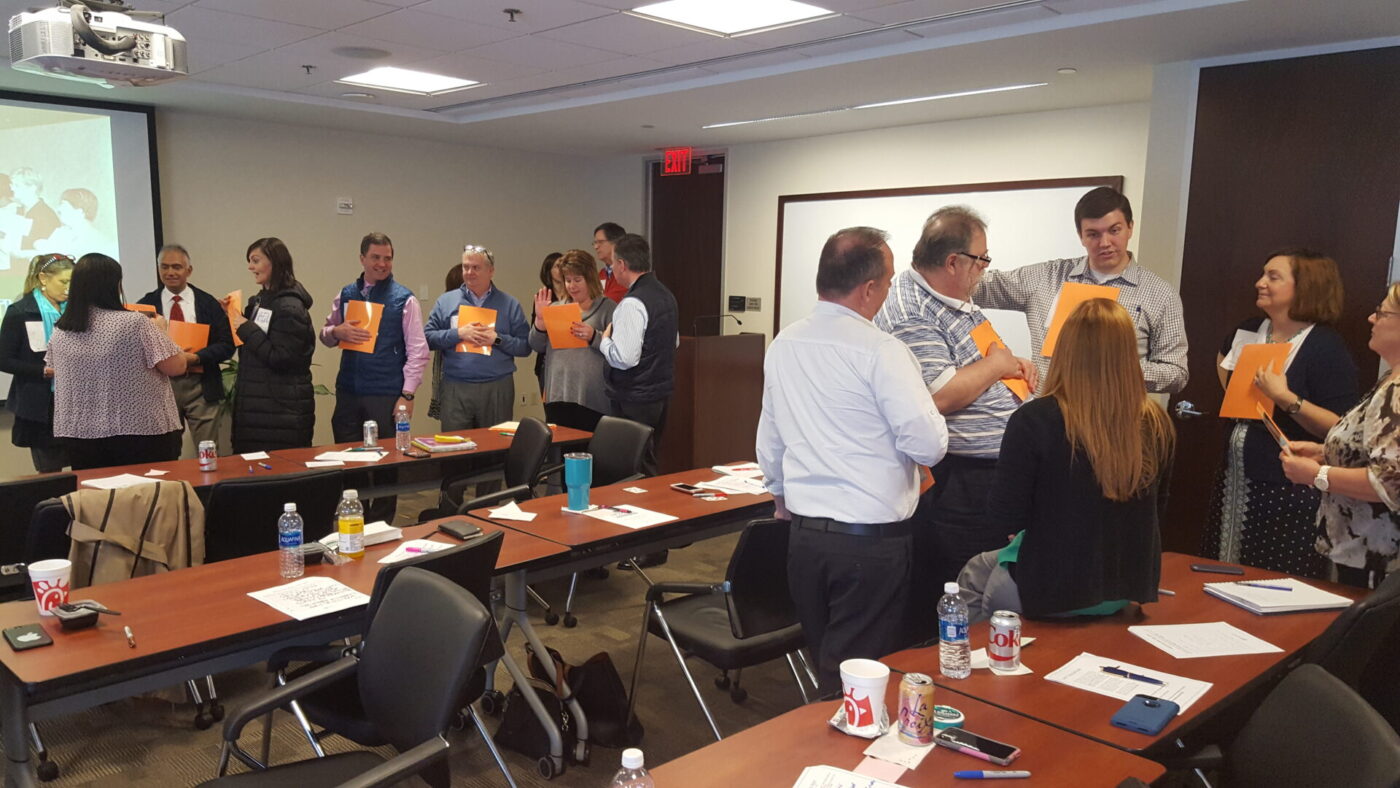
Here is the hard truth most event planners and HR leaders do not hear before they book their annual team outing: the activity itself is rarely the problem.
The problem is what does not happen after it.
I have watched groups of 50 people crush an escape room together, laugh their way through a cooking class, and bowl three games in a row. They had a genuinely good time. And when they returned to work on Monday, nothing changed. The same communication gaps existed. The same person dominated every meeting. The same low performer skated through another review cycle without consequence.
The reason is simple. Fun creates an experience.
But an experience without intentional reflection rarely creates awareness. And without awareness, no beliefs shift. And without shifted beliefs, no behaviors change.
That is the cycle that drives everything I teach and everything I design into every program I facilitate:
Experiences shape awareness.
Awareness forms beliefs.
Beliefs drive behaviors.
Behaviors become your culture.
A recreational activity skips the middle steps.
It creates the experience and delivers people directly back to their desks without the reflection that would have made the experience useful. The debrief is the mechanism. What you do after the activity matters more than the activity itself.
I call the alternative Profitable Fluff.
That is intentional team building that creates both genuine connection and meaningful awareness simultaneously. The activities are still engaging and fun. But they are designed to surface real team dynamics, and a skilled facilitator uses those dynamics as the raw material for reflection and growth.
You’ve probably been there. Someone books a bowling night, calls it team building, and everyone has a decent time. But Monday rolls around and nothing’s different. Same friction. Same conversations that aren’t happening. If that’s your experience, the skepticism makes complete sense…
But what if there’s a version that actually changes things?
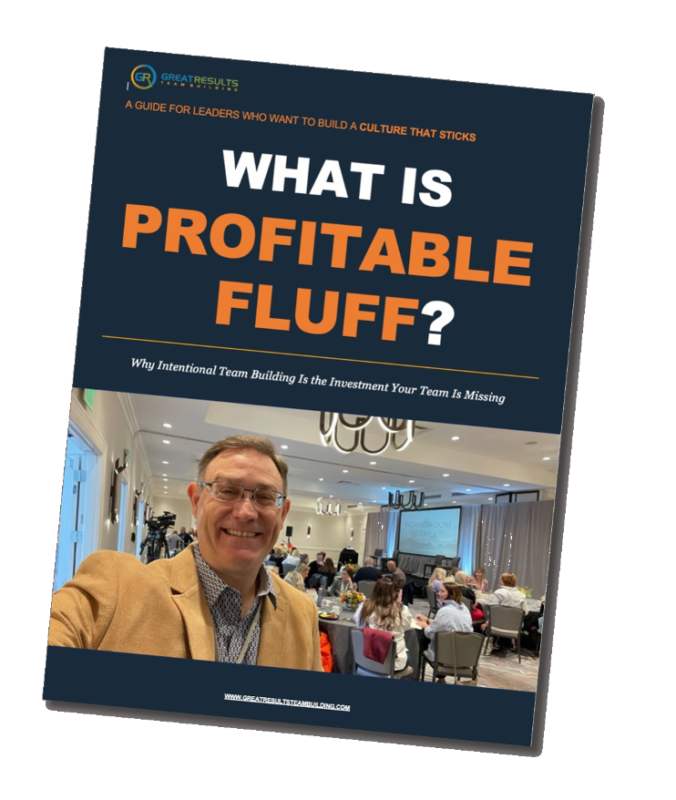
After 20 years coaching teams – and working with organizations like Cisco, John Deere, and the CDC – I’ve seen what happens when team building is designed with intention…
Download the Free Guide and Find Out -->
No cost. No pitch. Just the helpful info for a better team experience.
The most common mistake leaders make when choosing team building activities is starting with format instead of outcome.
They ask what would be fun or what fits our budget before they ask what belief do we want to shift or what behavior do we want to reinforce. Before evaluating specific activities, it helps to understand what separates a team building workshop from a recreational outing, because that distinction determines whether the activity you choose has any chance of improving performance.
Format follows outcome. Once you know what you want your team to be capable of differently after the experience, the activity selection becomes straightforward.
I organize every program I design around the G.R.E.A.T. culture model, which provides five clear outcome categories that cover the full terrain of what makes teams work:
Here is how those outcome categories map to specific activities across the three most common program goals:
|
Pillar |
What It Builds |
Trust-Building Activities |
Communication Activities |
Accountability Activities |
|
Goals |
Clarity on shared direction and why it matters |
Marble Pipeline, 100 Point Priorities, Treasure Maze |
Choose Ten, Missing Pieces, Jumbled Pictures |
Human Assembly Line, Fast Fingers, Tennis Ball Transport |
|
Relationships |
Genuine connection that goes deeper than job titles |
Face to Face, Your Best Day, Two Presents |
Perception Cards, Animal Personality (DISC), Back Talk |
Welded Ankles, All Aboard, Disappearing Chairs |
|
Expectations |
Everyone knows their role and what success looks like |
Card Architects, Shoelace Knots, Simon Sez |
Rope Star, Switch/Change, Helium Stick |
Bodyguard, Magic Carpet, Alter Shake |
|
Accountability |
Ownership of behavior and its impact on teammates |
Yes and No, Back Talk, Welded Ankles |
Human Assembly Line, Rope Star, Fast Fingers |
POINT Feedback Debrief, Scavenger Hunt, Choose Ten |
|
Thanks |
Recognition that makes people feel genuinely valued |
Two Presents, Your Best Day, Face to Face |
Perception Cards, Yes and No, Simon Sez |
100 Point Priorities, Scavenger Hunt, Missing Pieces |
.
For example: the belief that my coworker is difficult, rather than simply wired differently than I am. Or the belief that accountability means punishment, rather than ownership.
For example: awareness that my communication style lands differently than I intend it to. Or awareness that small individual behaviors have significant collective consequences.
For example: asking a clarifying question before reacting. Or naming the impact of a behavior rather than attacking the person’s character. If you cannot answer all three before you book an activity, you are not ready to choose one.
Trust is not the most exciting outcome to pitch in a team building proposal.
Accountability gets better press. Communication feels more actionable. But here is what 20 years of working with teams taught me: every other outcome depends on trust being present first.
You cannot have real accountability on a team where people do not trust each other. You cannot have honest communication without psychological safety. You cannot have genuine recognition that lands as meaningful if people believe the leader’s motivations are political.
Trust has to come first.
And it has to be built intentionally, because it does not happen automatically just because people share an office or a Slack channel.
In my book What Effective Leaders Do, I describe trust as a three-legged stool. All three legs have to be present or the stool becomes unstable:
Team building activities that build trust are ones that reveal the person behind the job title and create shared experience that demonstrates genuine concern. Here are specific activities from my facilitation library and what they surface:
|
Activity |
What It Surfaces |
Debrief Focus |
|
Face to Face |
How we see ourselves versus how others actually see us. The portraits reveal perception gaps in a way that words alone rarely produce. |
Are you who you think you are, or who others see? How does the gap between your intentions and your impact show up at work? |
|
Your Best Day |
What genuinely motivates each person beneath their job title. Common themes across stories reveal what the team actually values and what conditions bring out their best. |
What themes did you notice across the stories? How can you help create a workplace where those moments happen more often? |
|
Two Presents |
How well teammates actually know each other versus how well they assume they do. The difference between the first answer and the second one is the point. |
How well do you know the people you work with every day? What would stronger curiosity about your teammates make possible? |
|
Perception Cards |
The gap between how we intend to come across and how we actually land with the people around us. Surfaces unintended friction in a low-threat format. |
Where does your communication style create friction you did not intend? What is one thing you would do differently knowing what you know now? |
|
DISC Animal Personality |
Why people think, decide, and communicate differently. Reframes frustration with teammates as a style difference rather than a character flaw. |
Which animal are you? Who on your team is hardest for you to connect with, and why does that make more sense now? |
|
Shoelace Knots |
How staying stuck in familiar patterns prevents progress. The physical experience of struggling with a simple task makes the case for coachability faster than any explanation could. |
Where are you holding on to a way of doing things that is keeping you from getting where you want to go? What would it take to ask for help? |
Additional activities commonly used to build trust in my programs include Bodyguard, All Aboard, Welded Ankles, Magic Carpet, and Card Architects.
Each one creates a moment where team members must rely on each other and the debrief surfaces what reliance actually requires
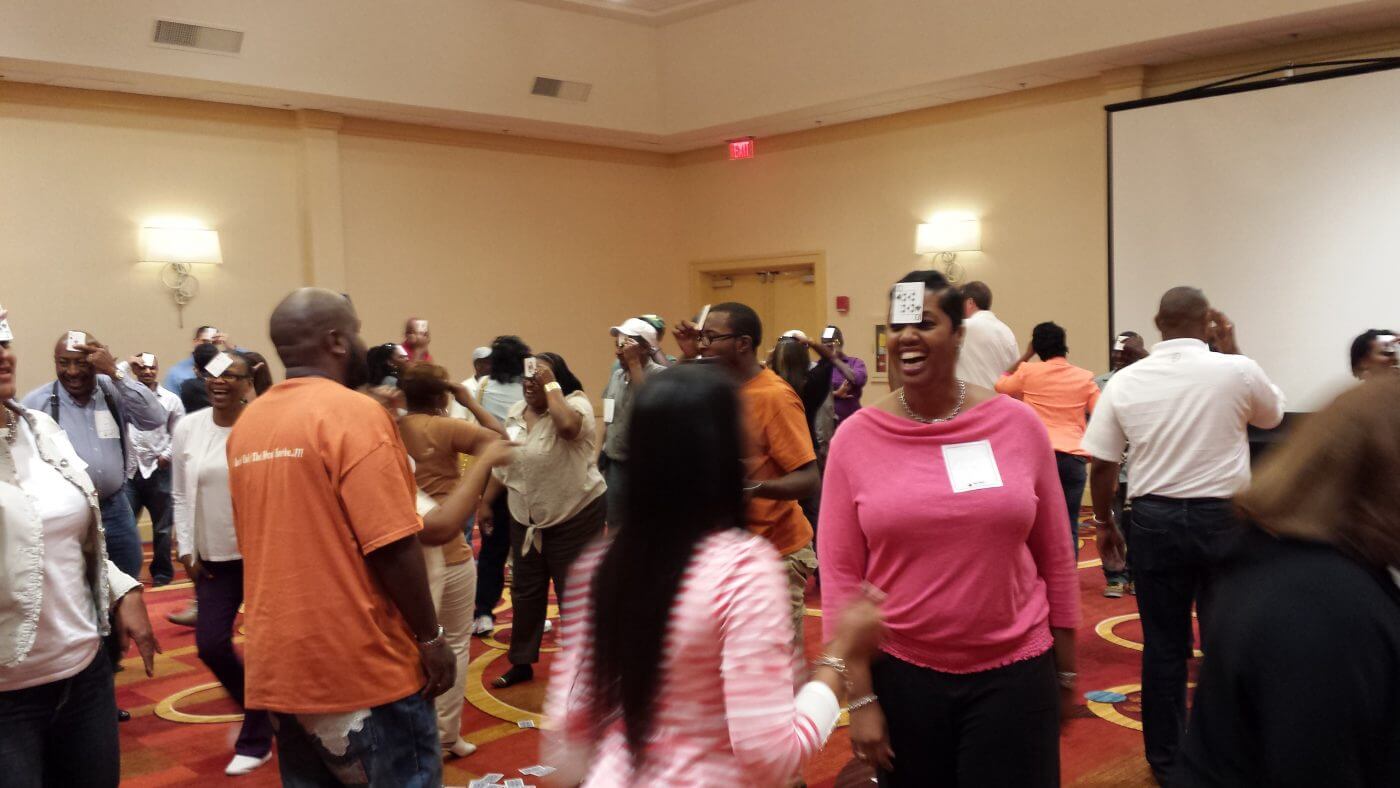
Most communication problems on teams are not information problems. People have access to the same data. They attend the same meetings. They read the same emails.
Communication problems are style problems. Two people can say the same words to a group and be heard completely differently depending on who is listening and what they are listening for. Until a team understands that different people send and receive information in fundamentally different ways, the frustration just keeps recycling.
The activities that improve communication are the ones that make style differences visible in a low-stakes environment, so that the insight transfers to high-stakes workplace interactions.
Back Talk
Teams complete a task facing away from each other, communicating only through verbal instructions with no visual cues. Most people discover quickly how much of their normal communication relies on gestures and facial expressions they never noticed they were using. The debrief surfaces how assumption of shared understanding quietly drives most miscommunication at work.
Rope Star
Groups create a specific shape with a rope while blindfolded or without speaking, forcing entirely new communication strategies on the fly. Someone almost always steps into a coordinating role within the first minute, whether or not they have any formal authority on the team. The debrief connects naturally to conversations about communication styles, leadership under pressure, and how teams function when normal channels are unavailable.
Helium Stick
A group must lower a lightweight stick to the ground using only the backs of their index fingers, and it almost always goes up instead. Each person makes a tiny upward adjustment to avoid being the one who breaks contact, and the collective result is the opposite of the goal. The debrief surfaces how individual self-protection behaviors can produce outcomes nobody intended and nobody wanted.
Switch, Change, and Rotate
Teams of four move continuously in single file, responding to three commands that get layered in one at a time before being called in any order under pressure. The facilitator introduces each new command by calling out the wrong one first, and groups that are not fully present follow it anyway. The debrief opens a direct conversation about how people follow familiar patterns even when the situation has changed, and how communication clarity during transitions determines how fast a team adapts.
Simon Sez
The format is familiar, which is exactly what makes it useful. The debrief pivot is the point: when did you stop listening carefully and start anticipating instead? That question opens a conversation about one of the quietest problems on experienced teams, the assumption that familiarity eliminates the need for full attention.
Marble Pipeline
Teams move a marble across the room through connecting tubes without letting it stop or touch the ground, which means every handoff has to be coordinated before the marble arrives, not after. The communication requirements escalate quickly and the parallel to project handoffs and cross-functional coordination is direct enough that teams usually name it themselves. Teams that establish a system before they start consistently outperform teams that improvise, which tends to generate a useful conversation about how the group approaches new initiatives in general.
Missing Pieces
Puzzle pieces are distributed across multiple teams, and completing the full picture requires pieces held by others, which means negotiation and information sharing become necessary to finish the task. Teams that treat their pieces as assets to protect rather than resources to share consistently take longer, and the logic of hoarding feels rational from inside the team even as it obviously hurts everyone. The debrief surfaces the cost of siloed information in a way that is hard to dismiss because the team just experienced it firsthand.
.
Other activities that consistently produce strong communication debriefs include Jumbled Pictures, Treasure Maze, Human Assembly Line, Alter Shake, and Yes and No. The right choice depends on group size, energy level, and the specific communication dynamic you are trying to surface.
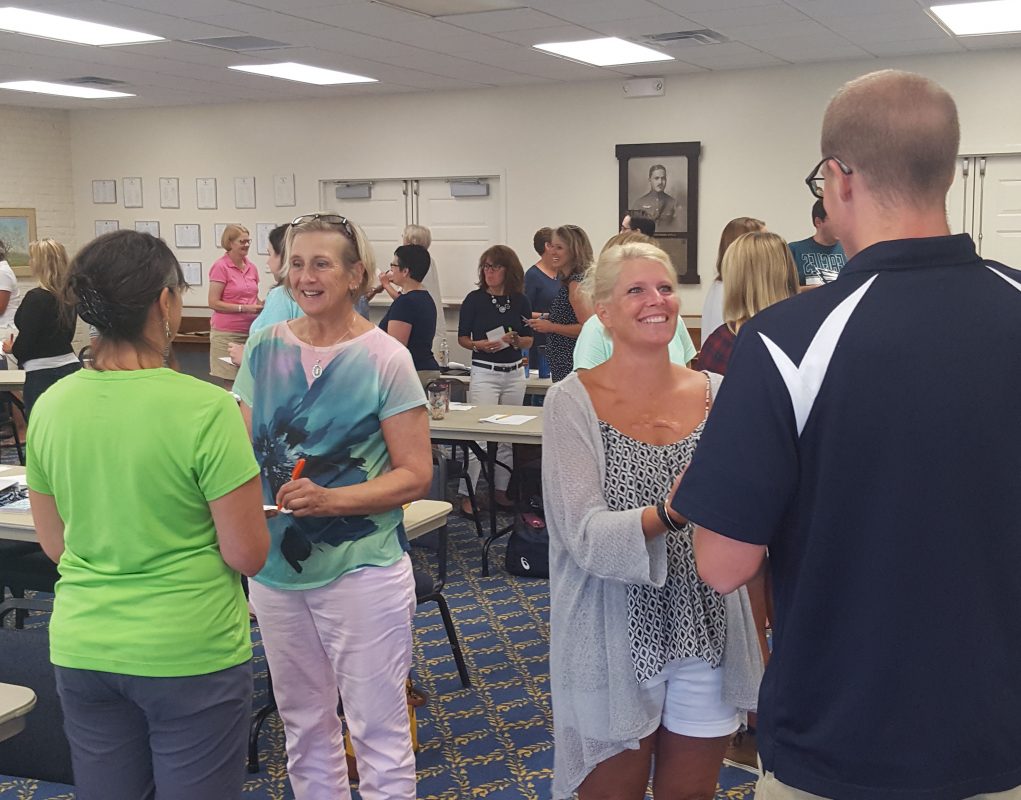
Accountability is the most misunderstood concept in team development.
When most leaders hear accountability, they think consequences. Performance reviews. Difficult conversations. Terminations. Something uncomfortable that HR needs to be involved in.
That version of accountability produces compliance at best and resentment at worst. Real accountability is something different. It is people holding themselves and each other to a high standard not because they fear what happens if they do not, but because they genuinely care about the team and want it to succeed.
That kind of accountability cannot be mandated. It has to be developed. And team building activities are one of the most effective ways to develop it, because they create low-stakes situations where the connection between individual behavior and collective outcome becomes immediately and unmistakably visible. Once you have identified the right activities for your team, the next question is how to plan a company offsite that builds those activities into a purposeful full-day design rather than a loosely connected agenda.
Human Assembly Line
Each person handles one step in a sequential task, and if any step breaks down the whole line stops. The physical experience of watching one person’s disengagement freeze everyone else makes the cost of accountability gaps impossible to argue with. The debrief writes itself: where are the bottlenecks, and what does one person checking out cost the team?
Tennis Ball Transport
The team moves a ball through a series of obstacles using only agreed-upon methods, which means precision and follow-through from every person matters equally. Watching the team succeed or fail based on one member’s execution creates a visceral awareness that no amount of intellectual conversation about accountability produces on its own. The debrief connects directly to any team struggling with inconsistent execution or the gap between what people agree to and what they actually do.
Fast Fingers
Partners simultaneously show any number of fingers, trying to match a total the facilitator calls out, with no planning or communication allowed before the reveal. The facilitator occasionally calls the wrong number mid-debrief, introducing a moment of genuine confusion that surfaces how people respond when the unexpected arrives and the plan disappears. The debrief question lands simply: the pairs that succeeded were not the most talented, they were the ones who figured out how to depend on each other under pressure.
All Aboard
The entire group must fit on a progressively shrinking platform, which forces real decisions about whose voices get heard and who gets left out. The setup is simple and the pressure is genuine, which means the debrief about how the team makes decisions under constraint tends to go places a normal meeting never would. Teams that solve it well have usually done something worth naming: they stopped optimizing for comfort and started optimizing for the group.
Choose Ten
Five volunteers each secretly decide whether to request ten dollars or ten cents, with one catch: everyone gets what they chose only if at least one person chooses the dime. The activity illustrates the volunteer dilemma and bystander effect in about five minutes, at a cost of roughly forty dollars. The debrief question lands hard: how does the somebody else will do it mentality show up in your real work, and what does it cost the team when everyone assumes someone else will take responsibility?
Disappearing Chairs
A version of musical chairs where the goal shifts from eliminating players to keeping everyone in the game as chairs are removed. Teams that figure it out quickly have done something genuinely significant: they replaced competitive instinct with collective ownership in real time. The debrief reframes accountability from a performance standard to a shared responsibility, which tends to resonate long after the chairs are put back.
100 Point Priorities
Each team member distributes 100 points across a list of team priorities, then the group compares results. The gaps between individual distributions are almost always larger than anyone expected, and seeing them laid out creates an honest conversation about what the team is actually aligned on versus what they assumed everyone agreed to. It is one of the most efficient ways to surface hidden misalignment without anyone feeling called out for it.
Scavenger Hunt
A well-designed scavenger hunt makes individual contribution visible, creates genuine interdependence, and connects effort directly to outcome in a way that is hard to ignore. The best versions require each person to contribute something specific the team cannot compensate for, which means disengagement has a name and a consequence rather than disappearing into the group. The debrief is strongest when the team can point to specific moments where one person’s contribution changed what was possible for everyone else.
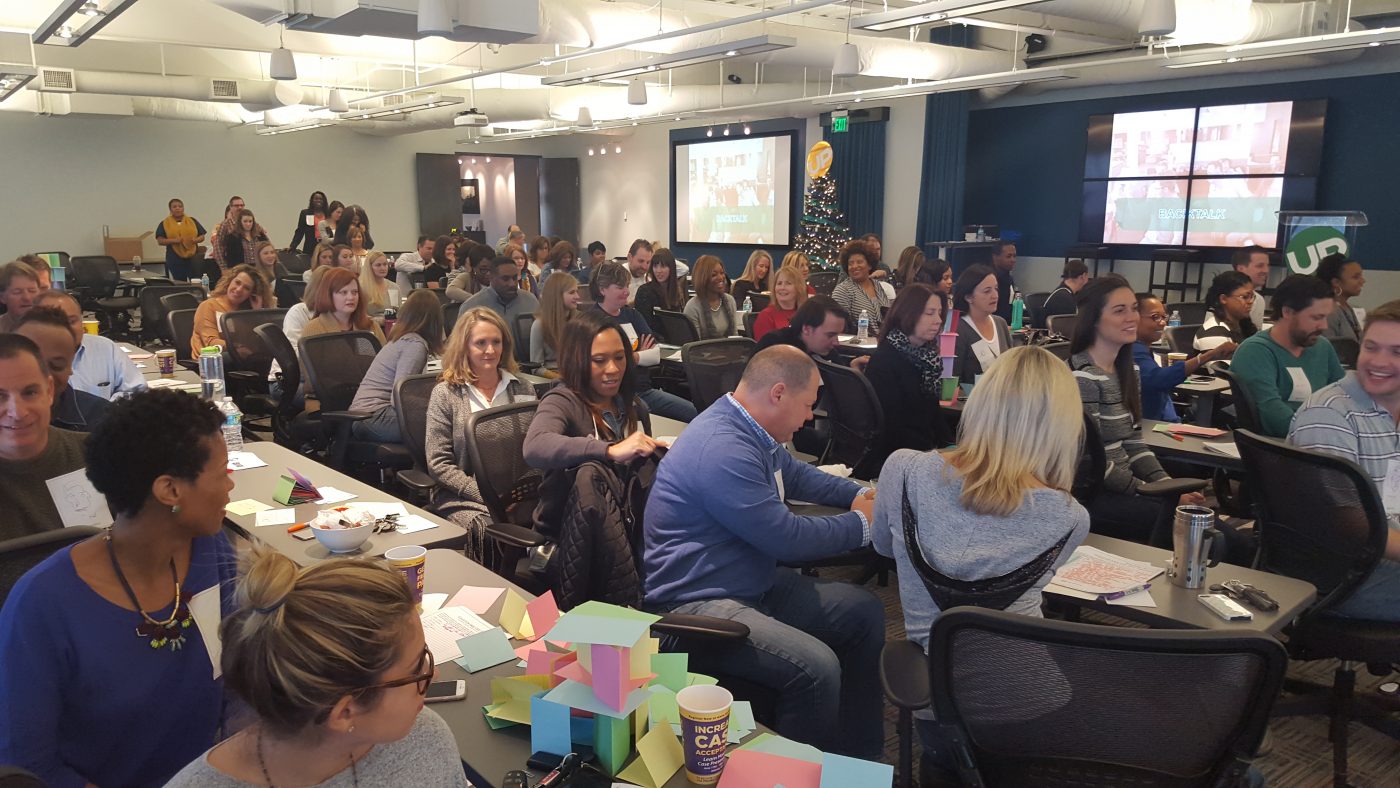
One of the most powerful accountability exercises I facilitate is not a physical activity at all. It is the POINT model, applied in a structured group setting where team members practice giving and receiving performance feedback using a framework that points at the behavior rather than attacking the person.
|
Step |
What It Means in Practice |
|
|
P |
Permission and Purpose |
Ask individually if the person is open to feedback. Frame it around a goal they care about. Opening the door is more effective than barging through it. |
|
O |
Objectively Describe the Behavior |
Share factual observations, not opinions or emotions. Numbers, dates, specific behaviors. The more concrete, the less defensive the response. |
|
I |
Identify the Impact on the Team |
Clarify how the behavior affected a teammate, a client, or the group as a whole. Empathy is the foundation of real accountability. |
|
N |
Negotiate Next Steps |
Instead of telling people what to do, ask for their ideas. When someone is part of the solution, they are far more likely to own it. |
|
T |
Track Their Progress |
Set a follow-up date. Acknowledge positive change specifically and sincerely. If the plan needs adjusting, adjust it together. |
.
.
When teams practice the POINT model together in a facilitated setting, they leave with a shared language for the conversations that accountability actually requires. They know what good feedback looks like.
They have experienced being on both sides of it.
And they have seen that it is possible to name a problem directly without damaging the relationship.
That is the shift that makes accountability sustainable.
Not a policy. Not a consequence. A practiced skill and a shared belief that honest feedback is an act of care, not an act of aggression.
I worked with a senior director at a federal agency who had been promoted into a leadership role because of her technical excellence.
She was genuinely brilliant at her job.
Her team respected her expertise completely. And she was quietly losing them.
Engagement was low. People were doing the work and nothing more. Two high-potential team members had started putting out feelers for other positions. When I interviewed the team before our session, the pattern was consistent. She never asked about them as people. Feedback came as corrections rather than conversations. Commitments made in one-on-ones were forgotten by the following week. And she had recently started using an AI tool to draft her team communications, which her team had noticed and which had created a palpable sense that the already-thin relational investment had dropped further.
We spent a day together on all five skills.
The Three-Legged Stool gave her an immediate diagnosis: competence strong, concern for others almost absent, commitments inconsistently kept.
The DISC workshop gave her a framework for why her Lion tendencies were landing as indifference to the Retrievers and Beavers who made up most of her team. The POINT model gave her the structure for a conversation she had been avoiding for four months.
And the Staying Coachable framework gave her an honest mirror for the ceiling she had been building without realizing it.
Six months later she told me that both of the team members who had been considering leaving had told her they were staying. Her team meetings had changed in a way she could not fully explain except that people were now talking to each other differently.
And she had been asked to mentor two other new leaders in her division, which was something that had never happened before. Nothing about her technical skills changed. What changed was a behavior she had never been deliberately taught.
Here is something that surprises a lot of event planners when I say it: the activity is the vehicle. The debrief is the destination.
The best facilitated team building activity in the world, with no skilled debrief, produces a good afternoon and little else. A moderately interesting activity with an extraordinary debrief can shift how a team sees each other and operates together for months.
The facilitator is the person who holds that debrief. And the job is not to entertain the room or manage logistics. The job is to use what just happened in the activity as a mirror for what is happening on the team every day at work.
A great facilitator does not show up with a fixed program and deliver it the same way to every group. Before the event, they conduct discovery conversations to understand the specific challenges the team is navigating, the communication patterns that are creating friction, the trust gaps that are limiting performance, and the outcomes the organization actually needs from the day.
That discovery work is what allows the debrief to land. When a facilitator can name a dynamic they observed in the activity and connect it directly to something the team is experiencing at work, the insight hits differently than any general principle could.
During the activity, a skilled facilitator is observing. Who steps into leadership? Who disengages when the task gets frustrating? Who communicates clearly under pressure and who shuts down? Who advocates for their own approach at the expense of the group’s cohesion?
Those observations are the raw material for the debrief. The facilitator is not just running an exercise. They are collecting data about how this specific team operates under conditions of uncertainty, pressure, and interdependence.
The debrief is where the activity becomes meaningful. A skilled facilitator connects what the team just experienced to the real dynamics they navigate at work, asks questions that surface awareness rather than lecture toward conclusions, and closes with a specific, applicable insight the team can carry back into Monday morning.
Even the right activity can fall flat without intentional facilitation, which is why most team building fails even when the activities are well-chosen and the team arrives ready to participate.
This is the reason a great facilitator is not the same as an event coordinator or an entertainer. An event coordinator makes sure the logistics run smoothly. An entertainer makes sure the room is energized. A facilitator makes sure the experience produces lasting behavior change. The job requires a different skill set, a different preparation process, and a different measure of success.
.
The Facilitator Standard:Before booking a team building facilitator, ask this: after this person leaves the room,Will my team be capable of something they were not capable of before?If the answer is only that they had a good time, you are booking an entertainer.If the answer is a specific skill, a shared language, or a new awareness that creaes a shifted belief, you are booking a facilitator. |
“A number of employees were dreading the event, and those same employees ended up loving it. As a result of you being here, two employees that had never gotten along have made a commitment to work together and be friendly and professional to one another.
I notice a positive difference with the staff and they notice the change also. Employees are going out of their way to be helpful to one another.”
– Deirdre Plato, Midtown Neurology
The best team building activities for work are the ones designed around a specific outcome your team needs, not just the ones that sound the most fun. Start by identifying whether your team most needs stronger trust, clearer communication, or better accountability. Then choose activities that create visible, debriefable experiences of those dynamics. Activities like Face to Face and DISC personality work build trust quickly. Back Talk and Rope Star surface communication style differences in memorable ways. Human Assembly Line and Choose Ten make the connection between individual behavior and collective outcome impossible to ignore. The activity matters less than the debrief that follows it.
They can, but most do not, for one primary reason: the debrief is missing or inadequate. Research on experiential learning consistently points to reflection as the mechanism by which experience produces lasting behavior change. An activity without a skilled debrief produces an enjoyable afternoon. An activity with a skilled debrief that connects the experience to the specific dynamics the team faces at work can shift beliefs and behaviors in ways that last for months. The activity is the vehicle. The debrief is the destination. When you evaluate team building programs, ask what the debrief process looks like before you ask what the activities are.
Team bonding creates connection. Team building creates capability. Both have value and both should be part of how a healthy team invests in itself. A team happy hour, a bowling night, or a holiday party builds the kind of informal relationship that makes working together more pleasant. But it does not improve how your team communicates under pressure, how they handle accountability gaps, or how they build trust intentionally. Intentional team building does those things because it is designed around specific outcomes, facilitated by someone skilled at connecting activity to behavior, and debriefed in a way that produces applicable insights rather than just good memories.
Large group team building requires activities that scale without losing the interpersonal depth that makes them meaningful. Activities like Scavenger Hunt, Marble Pipeline, Missing Pieces, and 100 Point Priorities work well across groups of 50 to 500 because they can be run in parallel sub-groups that then debrief together. The facilitator’s role becomes even more important at scale, because the debrief has to be structured enough to surface the right insights across a large and diverse room. The principle is the same regardless of group size: choose by outcome first, then choose the activity format that delivers that outcome at your scale.
Three things. First, intentionality: the activity is chosen to surface a specific team dynamic, not just to fill time. Second, facilitation: a skilled facilitator observes what happens during the activity and uses those observations as the material for reflection rather than simply declaring a winner and moving on. Third, connection: the debrief explicitly links what the team just experienced to what they experience at work every day. When those three elements are present, even a simple activity becomes a meaningful conversation. When they are absent, even an elaborate experience is just entertainment.
More often than most organizations invest in them. Culture is built through repeated experiences over time, not a single annual event. A once-a-year team day can be valuable, but it cannot compensate for 51 weeks of unaddressed communication gaps and accountability breakdowns. The teams I work with that see the most sustained improvement are the ones that treat team development as an ongoing investment rather than an annual checkbox. That can mean quarterly facilitated sessions, regular use of the frameworks introduced in a program, or a speaker who delivers content across multiple touchpoints throughout the year.
An event coordinator makes sure the day runs smoothly. Logistics, timing, materials, venue. That is a valuable skill and an important role. A facilitator does something different: they use the activity as a mirror for team dynamics, debrief what the team just experienced in a way that produces genuine insight, and connect that insight to the specific challenges the team faces at work. A great facilitator is also an observer, a question-asker, and a skilled guide through the kind of honest conversation that teams rarely have on their own. Before you book someone to run a team building event, ask directly: what does your debrief process look like and how do you connect the activity to our team’s specific challenges?
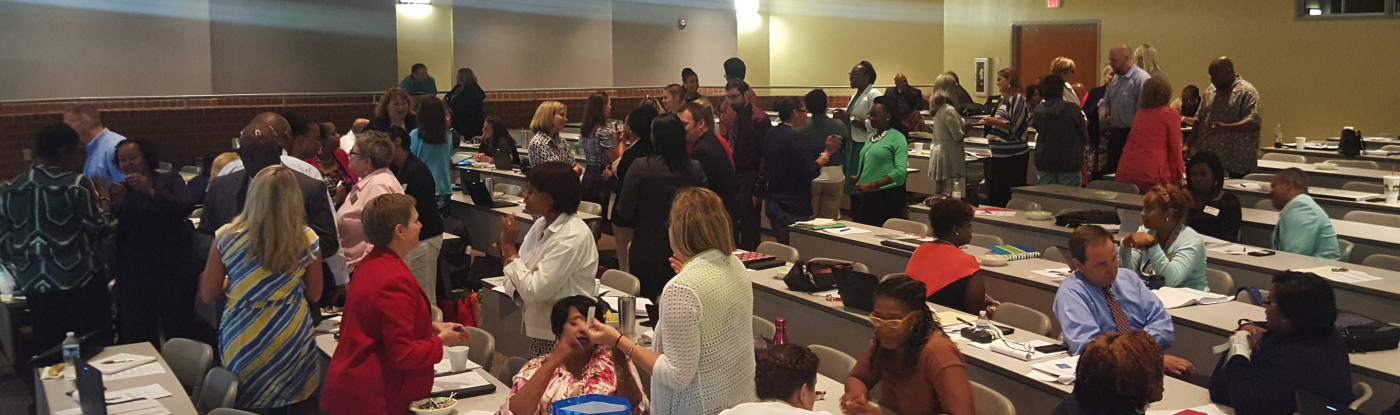
The best team building activity is not the one that produces the most energy in the room. It is the one that changes what people believe about each other when they return to their desks. That belief shift is the mechanism.
When someone who found their most analytical colleague frustrating walks away from a DISC debrief understanding that the frustration was always a style difference rather than a character flaw, something changes. When a team experiences for the first time what it feels like when everyone contributes with genuine accountability, something shifts in what they believe is possible.
Experiences create awareness. Awareness shifts beliefs.
Shifted beliefs produce the behaviors that become your culture.
The right team building investment is not the most expensive one or the most elaborate one. It is the one designed with intention, facilitated with skill, and debriefed in a way that makes the awareness stick.
Great Results Teambuilding delivers intentional, facilitated programs for groups of 8 to 800. Every program is fully customized based on pre-event discovery. Every attendee receives a published book. Every debrief is designed to produce specific insights your team applies on Monday morning.
Past clients include Cisco, John Deere, the CDC, Emory University, Ecolab, Southern Company, the USPTO, and World Wide Technology – Over 100 client testimonials and 20 five-star Google reviews!
Ready to talk about your team?
Book a Call