
If you are wondering how to get rid of silos, I have a newsflash for you.
Workplace silos are not barriers to be torn down.
Silos are valuable connections.
You do not want to get rid of silos, because they demonstrate existing links between people based on shared challenges, values, and contexts. You see them, but they were not created to divide people. In fact, they exist to unite people with others who share similar circumstances.
When you are frustrated by unnecessary, duplicate tasks, or your efforts to communicate are thwarted by blocked channels, silos may seem to have a negative effect on efficiency. But when a team leader asks me the question “can you help us break down silos?” my response is always the same.
“You just need to create more quality connections.”

Whether it is departmental or within a department, silos occur because people make those connections and stick to them. People need to be more connected to each other and to a compelling common goal, so that silos become smaller parts of, and contributors to, a larger whole.
I worked for over 20 years as a basketball coach before venturing into team building and sharing insights as a teamwork speaker.
And having coached, I would wager you have heard the phrase, “there’s no I in team.”
It sounds good, right? Well, I disagree.
Every athlete I ever coached was an individual first. Each person in your office is an individual first too.
Leaders need to show people they are part of something bigger.
When we notice the ripple effect of individual actions, we understand who depends on who.
Accountability grows from understanding the impact of your actions through these connections.
Leadership also begins with awareness, not just of your strengths and weaknesses, but of your situation and the role you play within the organization.
This applies to professionals at every level. Start by defining a compelling common goal so everyone has a reason to participate in its success. Then work out efficient ways to improve communication across the workplace.
Does your association or company have an organizational chart?
Such a simple tool can clarify who’s going to give what to who by when. Silos often occur because of a lack of clarity around expectations. Set that clarity with an org chart that shows who is responsible to whom, and communication starts flowing on its own.
Maybe breaking down silos is not the goal.
Maybe instead you should be connecting people to form a stronger network.
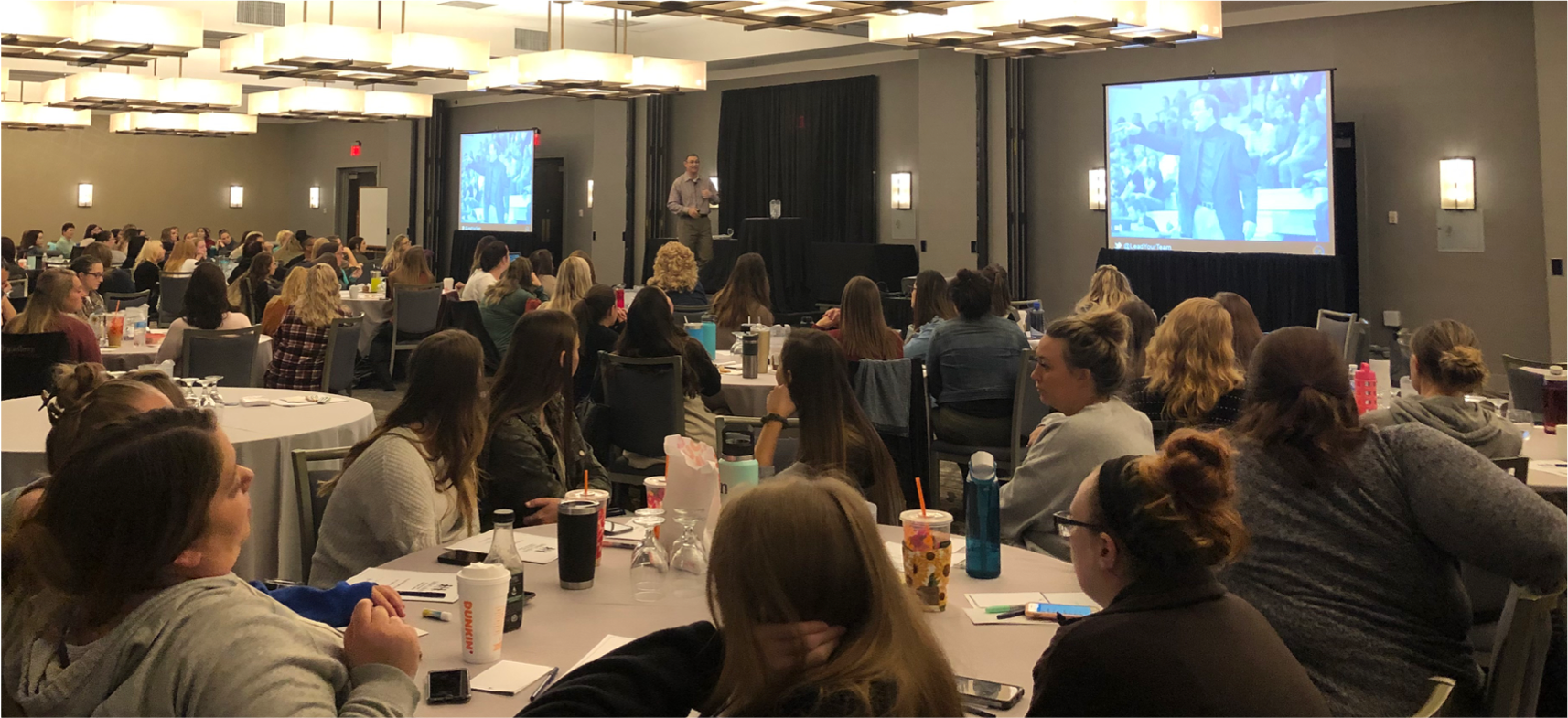
Give people time and opportunity to form those connections, share ideas, and learn each other’s personalities and needs. There is no collaborative conversation without the foundation of relationship that precedes it. Create opportunities for collisions and knowledge flow. Something as simple as assigned seating in meetings can do it.
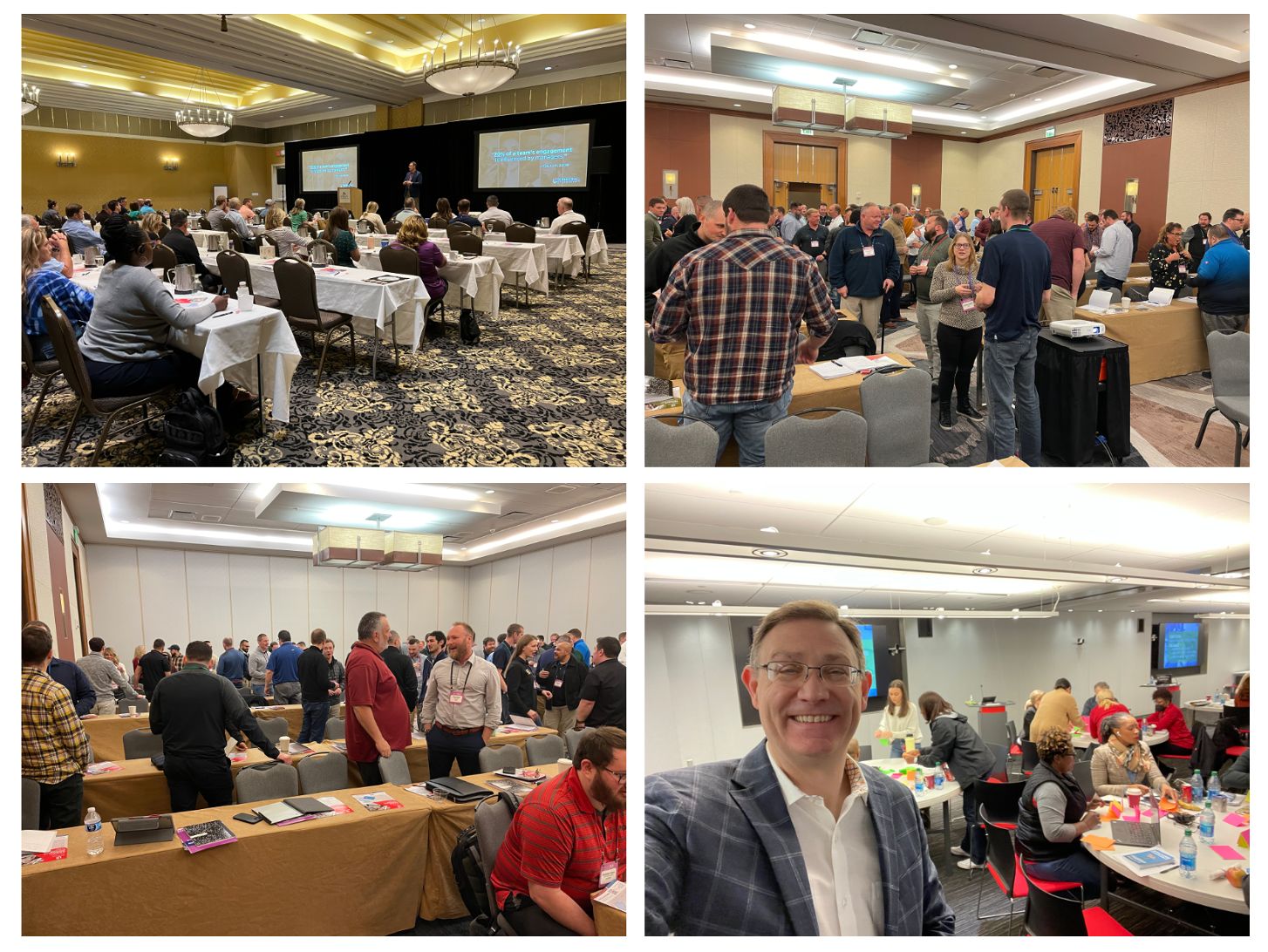
People need to get to know each other, but unless encouraged otherwise, they will stay in their silo. Make specific changes to open the door to collaboration. That may involve something like one of the Atlanta Team Building events I facilitate.
Managers reading this might think, “I’ve got enough on my plate, and so does my team. Where will I find the time for all this?”
That is a fair concern.
But Gallup’s global workplace research has found that one in five employees report feeling lonely at work often, a number that climbs even higher among remote employees. Disconnected people are not performing at their best, whether or not it shows up on a spreadsheet yet.
Think about the long-term benefit of investing in connection instead of ignoring it.
Instead of breaking down silos, you want to connect them!
If you want the deeper research behind why this works, learn why those team cliques and silos are not really the problem.
– – – – –
Sean Glaze is a workplace culture keynote speaker and team building event facilitator who spent 20 years coaching basketball before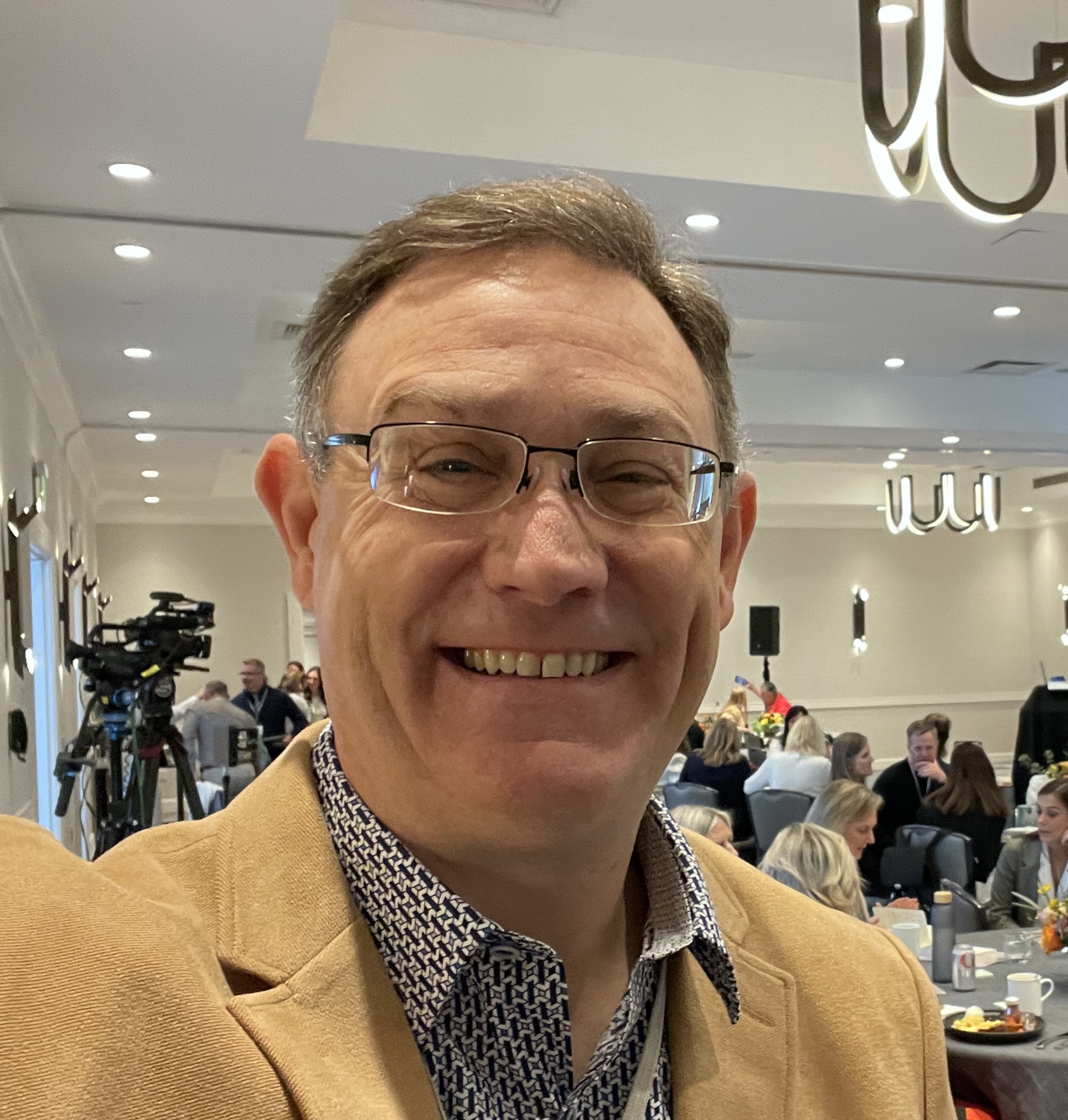 transitioning to corporate speaking. He has worked with organizations including Cisco, John Deere, CDC, Emory University, and Southern Company, helping teams build accountability, trust, and stronger collaboration.
He is the author of several leadership books including Rapid Teamwork, What Effective Leaders Do, and The 10 Commandments of Winning Teammates, and he built the G.R.E.A.T. Culture Model, a framework leaders use to diagnose and strengthen team dynamics.