

What Does the Team Need?
In a tough or emotional moment, the first thing you feel like saying to your team is rarely what your team needs to hear.
Let me back that idea up with the best halftime speech I never gave.
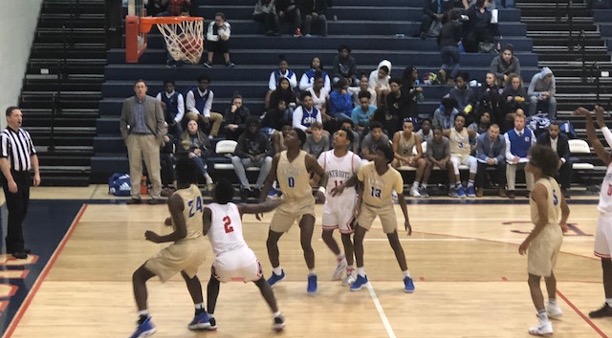
The Halftime Speech I Almost Gave
We were playing one of the best teams in the state, and for the first half our guys played beautifully. We built an eight-point lead against a team that was supposed to run us out of the gym.
Then came their press.
Two turnovers in a row, and by halftime our lead was down to two points.
I was not happy.
I walked toward the locker room with my angry speech already written in my head. It was about execution, focus, and how you cannot give away a lead like that. Every word felt justified.
Just outside the door, my assistant coach, Keith Minnifield, stopped me and asked a simple question.
“What does the team need?”
I wanted to say, “A good chewing out.”
But that was not what the team needed. It was what I needed. I needed to vent.
Idea 1: Notice Whose Speech You Are Thinking
When emotions run high, the speech in your head is usually about you.
It is about your frustration. Your need to feel like someone is taking this as seriously as you are. Your urge to get it off your chest.
None of that is wrong to feel. It just is not a plan for the people in front of you.
Here is the simplest test I know.
-
“What do I feel like saying?” is about me.
-
“What does the team need?” is about them.
My players had just played 16 minutes of excellent basketball against a great opponent.
They did not need my frustration. They needed a coach who could see what they had done well, and I was about to walk in and talk only about two turnovers.

Idea 2: Identify the Need Before Opening Your Mouth
Finish this sentence before you speak: “Right now my team needs ______.”
That night, my team needed composure, encouragement, and a reminder to keep doing what had earned us the lead in the first place.
So I collected my thoughts, controlled my selfish urge to rant, and went in.
I emphasized what had gone well.
Then I explained the two things we would need to focus on to finish strong.
Notice what did not happen. I did not skip the correction. I gave two things to fix, not twelve, and I gave them from a calm place instead of an angry one.
I also want to be clear about this. Asking what the team needs does not mean going easy on people. Sometimes the answer is a hard truth, delivered directly. The question just makes sure the truth is for them and not for you.
And the answer changes with the room.
Idea 3: Ask It at the Three Moments That Cost You Most
The question works best when you use it before the damage is done. I have leaned on it ever since that night, mostly in three places.
- Before a hard feedback conversation. Pause and decide what this person needs to leave the conversation knowing, feeling, and doing. Then say that, and only that.
- Before you hit send on an irritated email. If the draft is mostly about how you feel, it is a vent, not a message. Save it as a draft, walk away, and come back with the question.
- Before you walk into a meeting with a team that is struggling. Struggling teams read your face before they hear your words. Decide what they need from you in the first two minutes, and start there.
Idea 4: Judge the Decision, Not the Scoreboard
We lost that game by eight points. It was still the right locker room.
I was proud of the effort we gave and the growth we showed against a tremendous opponent. The question did not win us the game. It made sure I led well in the moment that tested me.
That matters, because the scoreboard does not always reward good leadership right away.
If you only judge yourself by immediate outcomes, you will talk yourself into believing the angry speech works whenever the team happens to bounce back. In my team culture keynotes, I remind managers that relationships and standards are how your team experiences your leadership – and you don’t ever want to sabotage either.
Did I show up in a way I’m proud of for the people in front of me?
That is also what winning teammates do.
They look past their own mood and ask what the people and projects around them need.

A better leader asks a better question.
“What do I feel like saying?” is about me. “What does the team need?” is about them.
You will be surprised how often that question resets your thinking.
It pulls your eyes off yourself and puts them on the people and projects that matter to you. That one shift is the difference between reacting and leading.
Try this week: Pick one conversation, email, or meeting where your emotions are running high.
Before you act, finish the sentence, “Right now my team needs ______.”
Then give them that.
My assistant coach probably does not remember asking it.
I have not stopped thinking about it.
.

If you would like your leaders to practice questions like this together, that is exactly the kind of work I do in my keynotes, team building programs, and one on one leadership coaching.
I would love to talk about what your team needs
Sean Glaze is a workplace culture keynote speaker, team building facilitator, and author of four books, including The 10 Commandments of Winning Teammates.
A former basketball coach, he helps organizations like Cisco, John Deere, and the CDC build stronger team cultures. Learn more about his interactive programs at greatresultsteambuilding.com.