

Effective Leaders are constantly searching for ways to keep their teams engaged and motivated. While many strategies exist, one of the most effective—and often underutilized—is the power of recognition.
Properly acknowledging your team’s efforts can be a game-changer, influencing not only individual morale but also the collective spirit and productivity of the entire group.
There are TWO Important Types of Recognition That Boost Team Morale and Productivity:
Leaders should focus on: individual recognition and group recognition.
Both play a crucial role in enhancing team performance…
Individual recognition is about acknowledging the unique contributions of each team member, making them feel seen and valued for their specific efforts. It’s a way to ensure that every job, no matter how small, is recognized and appreciated, which in turn boosts morale and personal motivation.
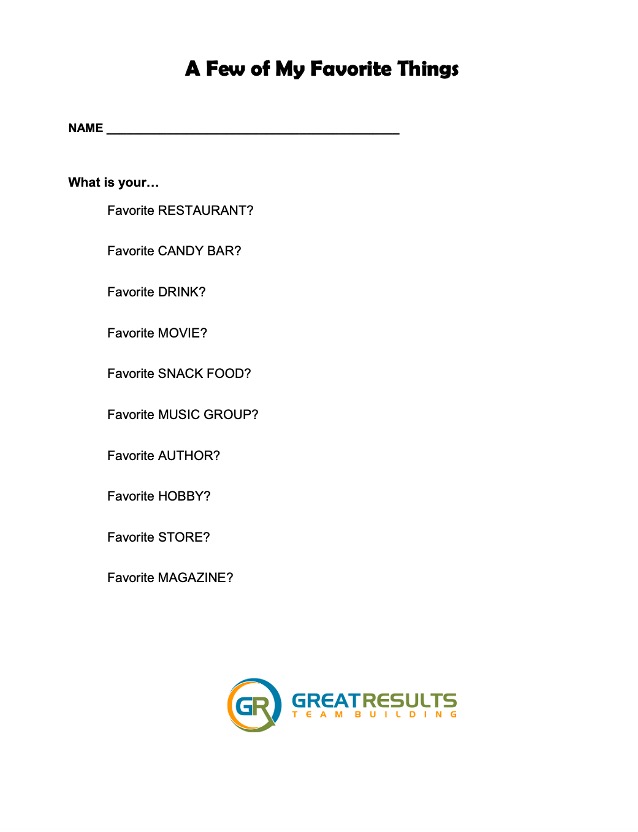
Group recognition emphasizes the power of collective effort. It’s about celebrating the achievements of the team as a whole, reinforcing the idea that success is a result of collaboration and shared responsibility.
While individual recognition can drive personal accountability and inspire others to elevate their performance, group recognition fosters unity and strengthens the bonds between team members.
By balancing both types of recognition, you create a dynamic where team members are motivated to excel in their individual roles while also contributing to the success of the group. This balanced approach not only enhances overall team performance but also creates a culture where both personal and collective achievements are celebrated, driving sustained success for your organization.
Recognition goes beyond a simple “thank you.”
It’s about making people feel valued and seen for the work they do each day.
And you want it to be more than just saying “good job!”
When done right, recognition can create a ripple effect, boosting not just the individual who receives it but also inspiring others to step up and contribute more.

And There are FIVE Key Benefits to Recognition:
-
Recognition Drives Engagement and Retention
When team members feel recognized, they are more likely to stay engaged and committed to their work. Engagement isn’t just about showing up—it’s about being fully present, passionate, and proactive in driving the team’s success. Employees who feel seen and appreciated are less likely to seek opportunities elsewhere, reducing turnover and helping your organization retain top talent.
Engagement and retention are directly linked to recognition because people crave acknowledgment for their efforts. In a world where many jobs can feel invisible, individual recognition ensures that no one’s hard work goes unnoticed. This is where the power of personal recognition comes in. Instead of generic rewards like a company-branded mug, take the time to learn about each team member’s interests and preferences. For example, if someone is a sports fan, consider giving them tickets to a game. If they love cooking, enroll them in a culinary class. These thoughtful gestures show that you value them as individuals, not just as cogs in a machine.
By focusing on personalized recognition, you not only boost the individual’s morale but also set an example for the rest of the team. When others see that their colleagues are being acknowledged in meaningful ways, they’re more likely to feel motivated to contribute their best work, knowing that their efforts, too, will be noticed.
-
Recognition Enhances Cohesion and Collaboration
While individual recognition is crucial, group recognition plays an equally important role in fostering team cohesion. When a team achieves a milestone or completes a project, it’s essential to celebrate that success as a group. This shared recognition reinforces the idea that success is a collective effort, and every member’s contribution is vital.
Group recognition can take many forms, from a simple celebration like a pizza party to more elaborate rewards such as a team outing or a financial bonus. The key is to make the recognition memorable and enjoyable for everyone. By celebrating together, you reinforce the bonds between team members and remind them that their collective efforts lead to success.
One of the most powerful aspects of group recognition is that it encourages personal responsibility for team results. When everyone knows that their individual performance impacts the group’s success, they’re more likely to hold themselves accountable and support their teammates. This fosters a culture of collaboration, where team members are invested in helping each other succeed, ultimately leading to better outcomes for the entire organization.
-
Recognition Boosts Productivity and Performance
There’s a direct link between recognition and productivity.
When people feel valued and appreciated, they’re more likely to go above and beyond in their roles. Recognition serves as a powerful motivator, driving individuals and teams to strive for excellence.
For individual recognition, this means acknowledging not just the outcomes but also the effort and dedication that went into achieving them. For example, if a team member consistently stays late to meet deadlines or takes the initiative to solve problems, recognizing these actions can encourage them to maintain that high level of performance. Tailoring recognition to their personal interests further amplifies this effect, making the acknowledgment more impactful.
Group recognition, on the other hand, can be tied to specific milestones or performance targets. Setting clear goals and rewarding the team when they meet or exceed them creates a sense of shared purpose and accomplishment. Whether it’s through a bonus, an outing, or a special event, group recognition reinforces the idea that hard work pays off, motivating the entire team to push for even greater achievements in the future.
-
Recognition Builds a Positive Work Culture
A culture of recognition is essential for a healthy, positive work environment. When recognition is a regular part of your leadership approach, it helps build a culture where appreciation and gratitude are the norm. This, in turn, leads to higher morale, reduced stress, and a more supportive atmosphere where everyone feels encouraged to contribute.
Individual recognition plays a crucial role in building this culture by making each team member feel valued. It’s about more than just rewarding good work—it’s about recognizing the person behind the work and showing that you appreciate their unique contributions. This personalized approach fosters a sense of belonging and pride in the organization, making employees more likely to invest their energy and creativity into their roles.
Group recognition also contributes to a positive work culture by promoting a sense of unity and shared success. When the entire team is recognized for their collective efforts, it strengthens the bonds between members and creates a sense of community. This is especially important in today’s work environment, where many teams are distributed or working remotely. Regularly celebrating team achievements helps maintain that sense of connection and camaraderie, even when team members aren’t physically together.
-
Recognition Encourages Improvement and Innovation
Finally, recognition plays a vital role in fostering a culture of continuous improvement and innovation. When people feel appreciated for their efforts, they’re more likely to take risks, suggest new ideas, and look for ways to improve processes. Recognition creates a safe space for experimentation and learning, which is essential for any organization that wants to stay competitive and innovative.
Individual recognition can be used to highlight and reward creative thinking and problem-solving. For example, if a team member comes up with a new process that improves efficiency or reduces costs, acknowledging their contribution not only validates their effort but also encourages others to think outside the box. The more you recognize and reward innovative behavior, the more likely your team is to embrace a mindset of continuous improvement.
Group recognition, on the other hand, can be tied to team innovations and collaborative achievements. When a team works together to develop a new product or service, or to solve a complex problem, celebrating their success reinforces the value of collaboration and collective intelligence. This, in turn, encourages the team to continue pushing the boundaries and striving for excellence in their work.
Make Recognition a Cornerstone of Your Team Culture
Recognition is one of the most powerful tools a leader can use to motivate their team and drive success. By focusing on both individual and group recognition, you can create a work environment where everyone feels valued, appreciated, and motivated to contribute their best.
Recognition isn’t just about rewarding success—it’s about acknowledging effort, fostering a positive work culture, and encouraging continuous improvement. When done right, recognition can transform your team, boosting engagement, productivity, and innovation.
If you’re ready to take your leadership to the next level and create a culture of recognition that drives results, contact Sean Glaze. With years of experience as an interactive speaker and facilitator, Sean can help make your next professional development day a memorable and impactful success.
Don’t miss the opportunity to inspire your team and achieve new levels of performance through the power of recognition.
– – – – –
Sean Glaze is an engaging team building speaker and interactive facilitator who helps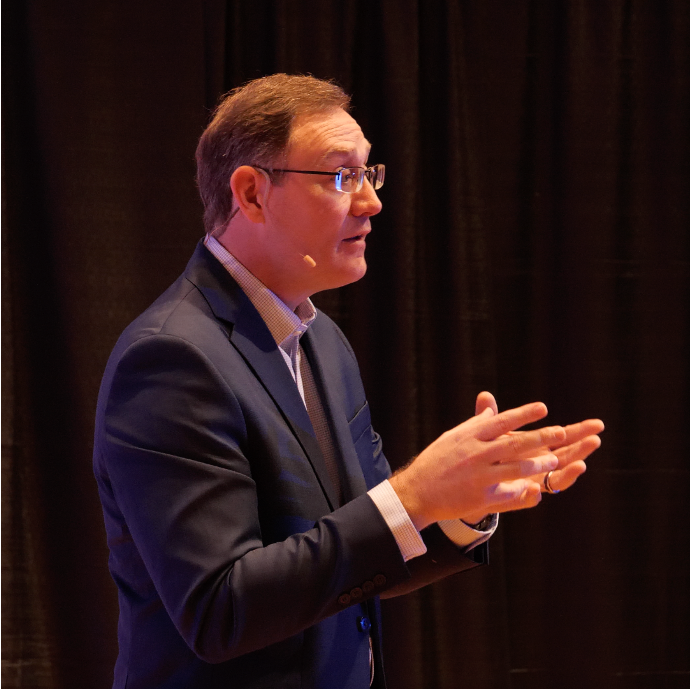 organizations develop more effective leaders and build more positive and profitable workplace cultures.
Sean is the author of four books, The Unexpected Leader, Rapid Teamwork, The 10 Commandments of Winning Teammates, and Staying Coachable – each one an entertaining parable with powerful take-aways for team growth and leadership!
What issues are YOU dealing with that would disappear if you could build an exceptional team culture that inspired connection, accountability, and a team-first attitude?