Informed employees are not the same as ready ones.
And ready is the only result that actually matters.
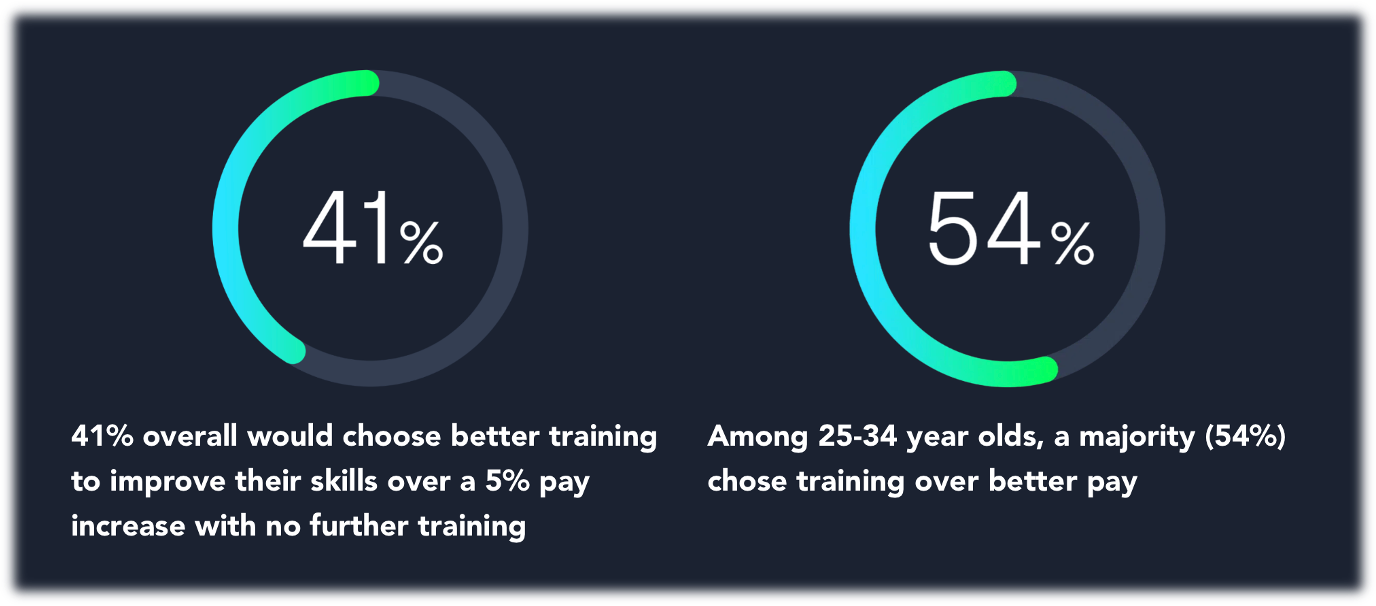
A 2026 national study of U.S. hospitality and food service workers by Attensi surveyed 505 employed adults and found that 41% of all workers would choose better training over a 5% pay increase, a figure that climbs to 54% among workers aged 25 to 34.
Even more revealing: 71.5% of employees reported that their primary motivation for improving skills was to feel more confident and capable, while only 17.4% cited financial incentives or advancement. attensiattensi
Sit with that for a moment.
Nearly three quarters of employees aren’t grinding to get a raise.
They’re trying to feel ready.
That single finding should change how every leader thinks about training. And it should change what they invest in.
What Most Training Gets Wrong
Walk into most corporate training rooms and you’ll find the same format. A presenter. Slides. Information delivered. Boxes checked. Employees walk out with a binder and a quiz score. Organizations measure success by completion rates and knowledge transfer.
But here’s the problem:
knowing something and being able to do it under pressure are two completely different things.
I spent over twenty years coaching basketball before moving into the corporate world as a speaker and team building facilitator. In all those years of developing players, the lesson that carried over most clearly into corporate settings is this one: you cannot build confidence by explaining how something works. Confidence is the souvenir of past success. You have to attempt the thing, struggle through it, and prove to yourself that you can handle it.
That’s what well-designed team building does. It creates the experience first, then builds the awareness around it.
Why Interpersonal Skills Move the Performance Needle
Technical skill matters. Nobody is arguing otherwise. B
ut the research on what actually separates high-performing teams from average ones points consistently toward something different: the ability of people to communicate honestly, trust one another under pressure, and navigate conflict without going underground.
Google’s research project known internally as Project Aristotle, which studied what made their teams most effective, found that psychological safety is the single strongest predictor of team performance.
Not technical expertise. Not individual IQ.
The willingness of people to take interpersonal risks with one another.
What I’ve observed in twenty-plus years of working with corporate teams from Cisco to the CDC confirms it. The teams that struggle most rarely have a technical skills problem.
They have a communication problem.
A trust problem. An accountability problem.
Those are interpersonal issues, and no amount of product training or process documentation solves them.
The organizations that close that gap don’t do it through a webinar.
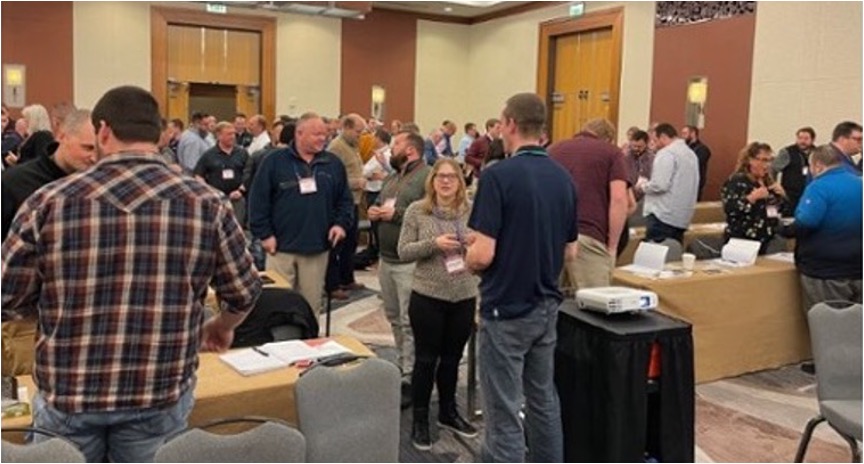
They do it through intentional shared experiences that create awareness, surface blind spots, and give people a common language for how they work together.
What Intentional Team Building Actually Develops
There’s a version of team building that nobody wants: the trust fall, the ropes course, the escape room your team politely endures before returning to exactly the same dynamics on Monday morning.
That’s recreational activity dressed up as development. I call it fluff. It keeps the calendar moving but it doesn’t move the needle. And recreational activities are why most team building events fail.
Then there’s intentional team building. I call it Profitable Fluff.
The difference is facilitation and follow-through.
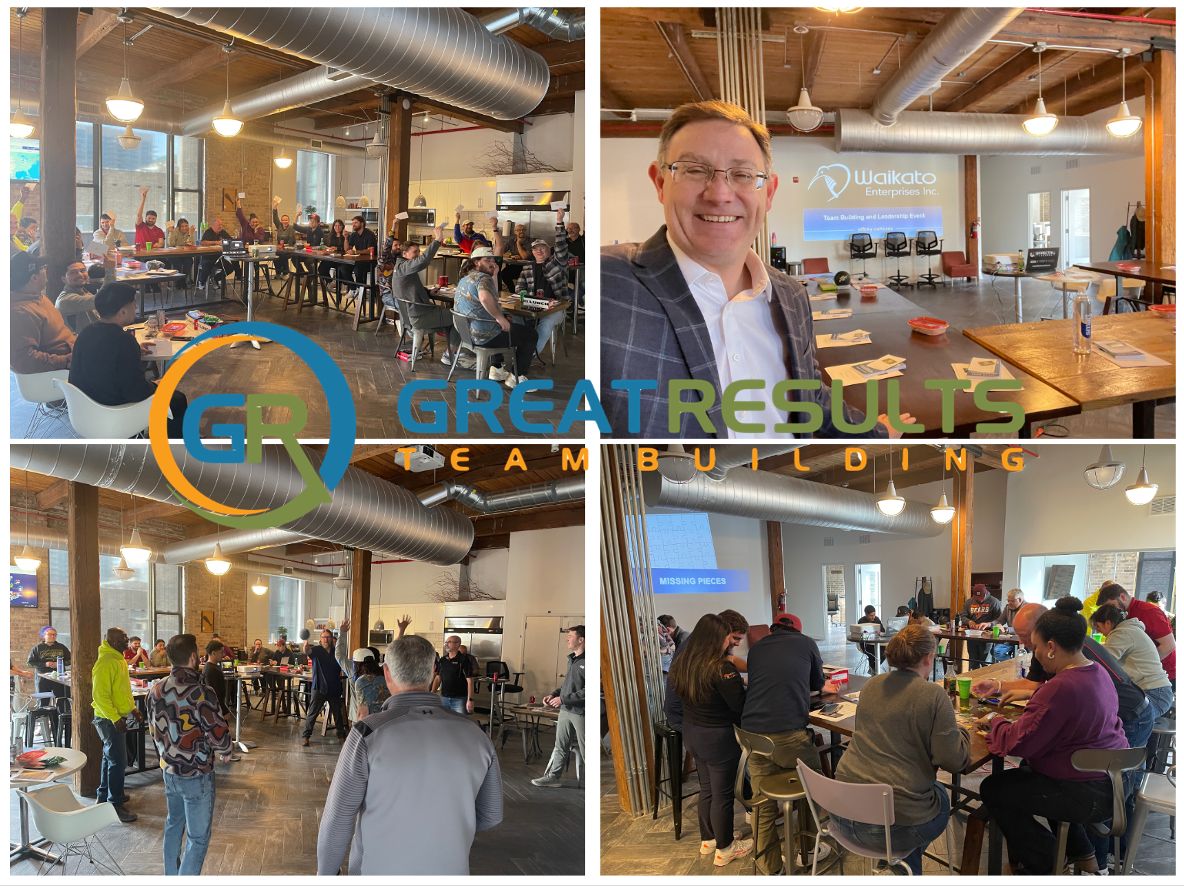
In an intentionally designed team building experience, every activity has a purpose. The debrief after the activity is where the real learning happens. Participants don’t just do something together. They reflect on what they noticed, what it revealed about how they communicate, and what one behavior change would look like starting this week.
That process follows the awareness chain I use with every group I work with: experiences lead to awareness, awareness shapes beliefs, beliefs drive behaviors, and behaviors repeated over time become culture.
You can’t shortcut that chain with a lecture.
Three Things That Actually Shift Team Behavior
Based on my work with corporate groups of all sizes over many years, here is what consistently produces lasting behavior change in teams.
First, shared experience under a mild degree of pressure. Teams that solve a problem together, navigate ambiguity together, or have to rely on one another in a structured challenge develop something that no training module can manufacture. They develop evidence. Evidence that this person has my back. Evidence that I can speak up here. Evidence that we know how to work through a problem together. That evidence becomes the foundation of trust.
Second, honest self-awareness of communication style. When teammates understand why they respond to conflict, urgency, and change the way they do, the assumptions and frustrations that quietly erode culture start to dissolve. DISC-based personality training, delivered experientially rather than as a personality quiz taken alone, gives teams a shared language that makes the invisible visible. It replaces judgment with curiosity.
Third, a clear and specific behavioral commitment at the end of the experience.Not a vague intention to communicate better. A specific answer to the question: what will you do differently on Monday?
That Monday Morning Test is the difference between an event that felt great and an investment that actually changes something.
Measuring the Right Things
The Attensi research identified something that should reshape how HR and L&D leaders think about success metrics. Confidence has a direct predicted impact on frontline performance, including better service delivery, fewer errors, faster onboarding, and higher day-to-day performance.
Those aren’t soft outcomes. Those are operational results.
So the question isn’t whether team building produces measurable value. The question is whether your organization is measuring the right things after any training experience.
Completion rates tell you people showed up. Quiz scores tell you people absorbed information.
Neither tells you whether people feel equipped to do something differently.
Three metrics that actually signal behavioral readiness are worth tracking after any team building investment:
Are people applying new behaviors without being prompted?
Are team members reporting higher confidence in navigating specific situations?
And are managers observing measurable differences in team dynamics within 30 days of the event?
If you aren’t asking those questions, you aren’t measuring what matters.
Your team doesn’t need more information.
They need more confidence.
They need the kind of awareness that only comes from doing something alongside the people they work with every day. And they need a leader who understands that culture is not built in a classroom.
Intentional team building events, done well, is the highest-return leadership development investment most organizations never properly calculate. It builds the interpersonal skills that technical training ignores, the trust that productivity depends on, and the confidence that no pay raise can manufacture.
If you’re an event planner, HR leader, or executive looking to invest in something that actually moves your team forward – do not search for a team building facilitator near me!
Instead, I’d love to have a conversation about what a customized team building experience could accomplish for your group.
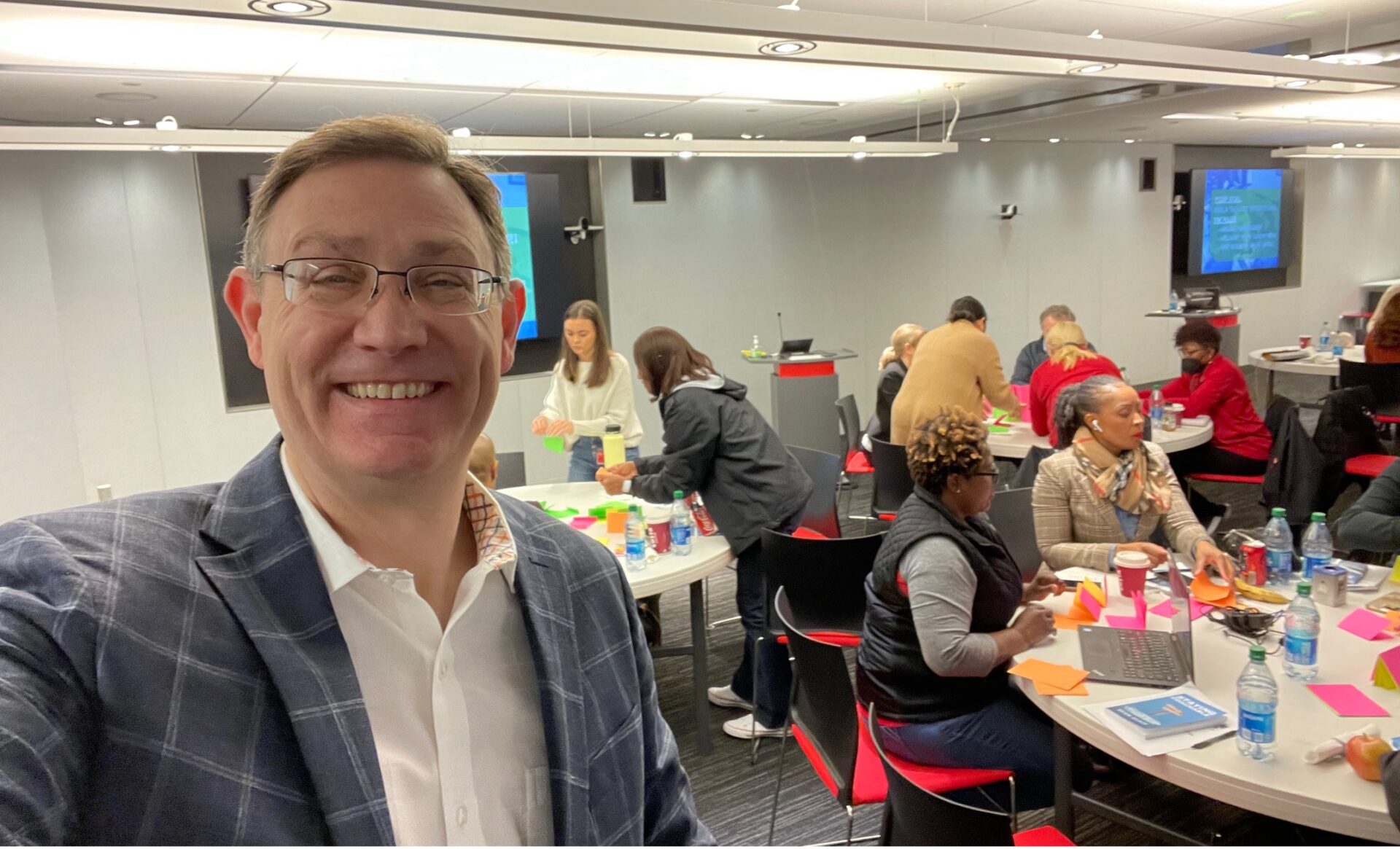
Sean Glaze is a leadership keynote speaker, team building facilitator, and author based in Atlanta, Georgia. His engaging conference leadership keynotes and custom team building programs have helped clients like Cisco, John Deere, the CDC, and Emory University to increase collaboration, boost productivity, and build Sticky Cultures that inspire more profitable teamwork.
As a successful basketball coach, Sean gained valuable insights on turning talent into teamwork – and now travels around the country to share those lessons.
Sean’s books, Rapid Teamwork, What Effective Leaders DO, The 10 Commandments of Winning Teammates, and Staying Coachable are entertaining parables that accelerate the growth of leaders and teams!